West Palm Beach, FL
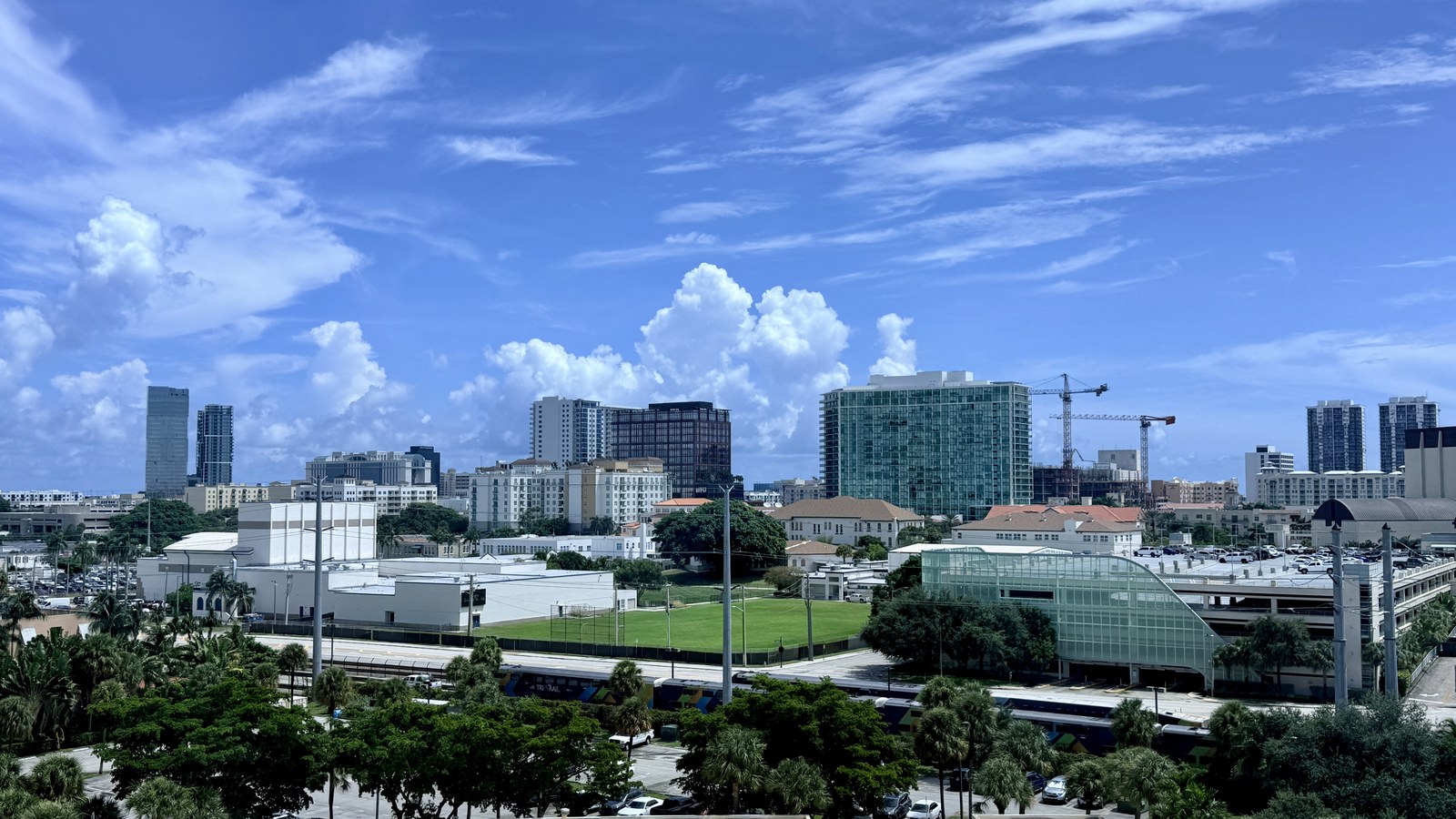

What West Palm Beach is actually like
West Palm Beach exists because of the resort next door. Henry Flagler platted the town on the western shore of Lake Worth in 1893 as a place to house the staff working at his two grand hotels across the water on Palm Beach, the Royal Poinciana and The Breakers, after buying the original townsite from settlers Captain Porter and Louie Hillhouse for $45,000. The city incorporated on November 5, 1894, becoming the first incorporated municipality in what was then Dade County — and in South Florida generally (Wikipedia).
The 1920s Florida land boom quadrupled the city's population between 1920 and 1927, then the 1928 Okeechobee hurricane and the Depression stalled growth for decades; downtown itself spent the 1970s and 1980s hollowed out by crime and suburban flight. The turnaround took a $375 million bet: the city assembled the site of a failed 1980s downtown redevelopment project in 1995 and approved developer The Palladium Co.'s CityPlace proposal the following year, opening in 1999 as a 600,000-square-foot outdoor mixed-use district credited with anchoring downtown's modern comeback. It was rebranded Rosemary Square in 2019 and reverted to the CityPlace name by the early 2020s, but the physical anchor — along with the revived Clematis Street waterfront strip a few blocks north, now home to the long-running “Clematis by Night” concert series — is the same one that pulled downtown back from its 1990s low point (Wikipedia; List & Sell FL).
West Palm Beach is Palm Beach County's seat and its most populous city, with an estimated 127,189 residents as of July 1, 2025 (U.S. Census Bureau) — and it has led the county's growth since the 2020 Census, per a Stet News analysis of the same data. The Kravis Center for the Performing Arts, which opened in 1992, and the Norton Museum of Art — described as Florida's largest art museum — anchor the city's cultural institutions a short walk from CityPlace and the Tri-Rail/Brightline station downtown.
Home values in West Palm Beach
Zillow's Home Value Index for West Palm Beach was $406,115 as of July 31, 2026, up 0.3% year-over-year (Zillow). Palm Beach County's combined 2025–26 millage runs about 18.72 mills, or roughly 1.87% of taxable value; Florida's standard $50,000 homestead exemption and the Save Our Homes cap (limiting annual assessment growth to 3% for existing homesteaded owners) both apply to a primary residence, though a new buyer's first-year tax bill is based on the home's market value at purchase, not a prior owner's capped assessment (Momentum). Because downtown's housing stock leans heavily condo, buyers here should also budget for Florida's post-Surfside condo law, SB 4-D: buildings three stories or taller need a “milestone” structural inspection at 30 years old (25 years within three miles of the coast, which covers West Palm Beach's waterfront towers) and a fully funded structural integrity reserve study, which has shown up in practice as higher HOA dues and the occasional large special assessment in older buildings (Florida DBPR). Homeowners insurance countywide is described as running from the mid four figures a year for inland or entry-level homes up to five figures or more for coastal, older, or luxury construction — among the higher premium ranges in Florida (Living in Palm Beach County FL).
Getting around
Downtown's Walk Score of 98 and Bike Score of 97 make CityPlace, Clematis Street, and the Tri-Rail/Brightline station genuinely walkable from most nearby addresses, but the 46 Transit Score is a real honest number, not a rounding error — once you're outside that compact core, West Palm Beach is a car-first city like the rest of the county. Tri-Rail and Brightline both stop downtown for regional and intercity trips, but neither runs the kind of dense local bus/rail network that would make a car optional citywide.
West Palm Beach FAQ
Is West Palm Beach walkable?
Downtown is genuinely walkable — Walk Score puts the 33401 core at 98 (“Walker's Paradise”) and 97 for biking — but the Transit Score is a more modest 46, and that walkability drops off once you're outside the CityPlace/Clematis Street core.
Does West Palm Beach flood?
Downtown sits on the Lake Worth Lagoon, and waterfront parcels are more often mapped into FEMA's higher-risk AE or VE flood zones than ground further inland, which tends to fall into Zone X. Check FEMA's Flood Map Service Center and the city's own flood-zone lookup tool for a specific address.
What is SB 4-D and does it affect West Palm Beach condos?
SB 4-D is Florida's post-Surfside condo safety law: buildings three stories or taller need a milestone structural inspection at 30 years old (25 if within three miles of the coast, which covers West Palm Beach's waterfront towers) and a fully funded reserve study. In practice that's meant higher HOA dues, and sometimes a special assessment, in older buildings.
What happened to CityPlace and Rosemary Square?
CityPlace opened in 1999 as a $375 million, 600,000-square-foot mixed-use district credited with reviving downtown. It was rebranded Rosemary Square in 2019, then reverted to the original CityPlace name by the early 2020s -- it's CityPlace again today.
What is there to do in West Palm Beach?
CityPlace for shopping, dining, and events; Clematis Street and its Meyer Amphitheatre for the weekly “Clematis by Night” concert series; the Kravis Center for the Performing Arts and the Norton Museum of Art for culture; and the Armory Art Center and Grandview Public Market for a smaller-scale, more local scene.
Who lives in West Palm Beach?
Citywide, the median age is 41.1 and median household income is $73,446 -- more of a full-city mix than a narrow young-professional enclave, though downtown's newer CityPlace-area condo towers specifically do skew toward young professionals and renters. Confirm zoned schools for a specific address before assuming family-friendliness either way.
Nearby alternatives*We're not ranking these — every place has real trade-offs, and which ones matter is up to you.
Town of Palm Beach
Directly across the Intracoastal via one of four bridges -- the Town of Palm Beach is a different world at roughly 9,300 residents (2024 estimate), anchored by Worth Avenue and Mar-a-Lago, versus West Palm Beach's 127,189 and its own downtown job and transit core.
Riviera Beach
A few miles up the coast -- a working-class port city with Singer Island's beaches, a more affordable and different demographic profile than downtown West Palm Beach's newer condo towers.
Lake Worth Beach
A few miles south -- a smaller, artsier downtown scene along Lake and Lucerne avenues, distinct in character from West Palm Beach's larger CityPlace/Clematis Street core.
See what makes West Palm Beach-Fort Pierce stand out — verified, named medical, dietary, sports, and other specialty resources you won't find in most metros.
Explore Specialty Resources →