South Jordan, UT
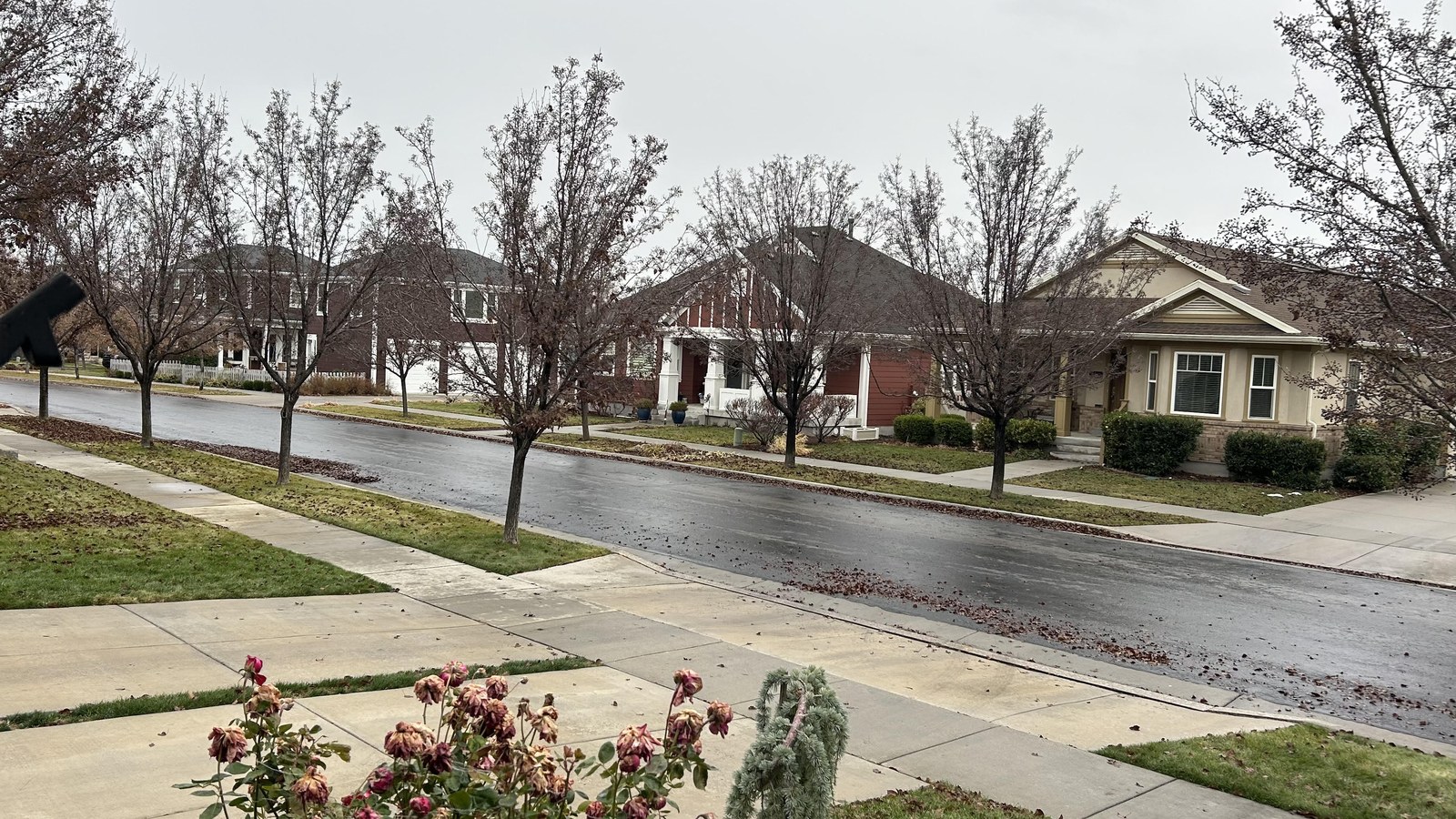

What South Jordan is actually like
South Jordan grew slowly as a Jordan River-adjacent farming community for well over a century after Mormon pioneer settlement of the Salt Lake Valley in the 1840s -- a quiet history that changed decisively in 2004, when Kennecott Land began developing Daybreak on former mine-support land tied to its own Bingham Canyon copper operation, after EPA cleanup work the agency itself praised (Wikipedia).
Daybreak was designed from the start on New Urbanist principles -- walkable blocks, Energy Star-certified homes throughout, a 50-mile trail system called The Loop, and Oquirrh Lake as a central recreational feature -- with a planned build-out of more than 20,000 residential units and roughly 9.1 million square feet of commercial space. Kennecott Land sold the remaining 1,300 undeveloped acres to the Larry H. Miller Company in 2021 to continue the build-out (Wikipedia). Downtown Daybreak's own sports-and-entertainment district opened The Ballpark at America First Square in 2025, an 8,000-seat stadium that's now home to the Salt Lake Bees (Wikipedia).
South Jordan's population reached an estimated 87,614 as of July 1, 2025 (U.S. Census Bureau), among the fastest-growing cities in this part of the valley. UTA's TRAX Red Line now serves Daybreak directly, including South Jordan Downtown station, which opened March 26, 2025 at 11080 South Grandville Avenue -- one of three Red Line stations inside Daybreak itself (Wikipedia).
Home values in South Jordan
Zillow's Home Value Index for South Jordan was $661,471 as of August 31, 2026, up 1.4% year-over-year -- the highest of any place in this cluster (Zillow). Utah taxes income at a flat 4.45% rate for every individual filer (Tax Foundation), on top of which the state levies a 6.10% sales tax with an average combined state-and-local rate of 7.19% statewide -- though Salt Lake County's own combined rate runs slightly above that average, at 7.45% (4.85% state plus a 2.6% county-and-local add-on) (Avalara). Property taxes work differently than in most states: Utah's constitution shields 45% of a primary, owner-occupied home's fair market value from taxation entirely, so only 55% of assessed value is actually taxed -- a structural exemption open to any qualifying primary residence, not tied to the owner's age or income, administered through a one-time Residential Property Declaration filed with the county assessor (Utah State Tax Commission). That exemption helps keep Utah's statewide average effective property tax rate low -- the Tax Foundation puts it at roughly 0.48% of home value, a separate AskDoss analysis at roughly 0.55%, both well under the national average near 0.9% (AskDoss).
Evenings and weekends
Evenings here center on Daybreak, not the rest of South Jordan. SoDa Row (11274 S Kestrel Rise Road) is the walkable strip: The Break Sports Bar & Grill and Porch, a Southern-inspired restaurant serving cocktails and boutique wine, both anchor it, and LiveDAYBREAK programs recurring outdoor concerts and pop-up markets there through the summer (Daybreak Utah). The Cove Night Market runs the second and fourth Tuesday of the month, 5–9pm, at The Cove House. Game nights at The Ballpark at America First Square, the Salt Lake Bees' stadium that opened in 2025, bring a steadier crowd to the restaurants ringing the square. Older South Jordan, away from Daybreak, has little of this -- it stays a quieter, more conventional suburb after dark. Weeknights go quiet even in Daybreak outside an event; people wanting a denser bar scene head north to Sugar House or downtown Salt Lake City.
Getting around
Daybreak's own streets were genuinely designed to be walkable -- New Urbanist blocks, 48 community parks, and a 50-mile internal trail system -- but South Jordan's citywide 26 Walk Score reflects how much of the rest of the city, especially its older sections, remains conventional car-dependent suburbia. The TRAX Red Line's three Daybreak-area stations give that part of the city a genuine rail option toward West Jordan and downtown Salt Lake City.
South Jordan FAQ
Is Daybreak actually walkable, or just marketed that way?
Genuinely walkable by design -- Daybreak was built on New Urbanist principles with a 50-mile internal trail system, 48 community parks, and Energy Star-certified homes throughout. That said, South Jordan's citywide Walk Score is a car-dependent 26, since Daybreak is one master-planned section of a larger, more conventionally suburban city.
Is the Bingham Canyon Mine actually visible from South Jordan?
Yes -- Kennecott's Bingham Canyon Mine sits in the Oquirrh Mountains on the valley's west side, visible from parts of South Jordan, and Daybreak itself was built on former mine-support land the same company owned and had environmentally cleaned before development began.
How fast is South Jordan growing?
Fast -- the city's population reached an estimated 87,614 as of mid-2025, and Daybreak alone is planned for more than 20,000 residential units at full build-out, a scale of growth concentrated in one master-planned community that's unusual even for this fast-growing part of the state.
Does South Jordan flood?
Older South Jordan along the Jordan River corridor on the city's eastern edge carries real floodplain considerations similar to West Jordan just upstream. Daybreak, on the west side, sits on EPA-cleaned former mine-support land rather than an active floodplain. The larger structural risk across this part of the valley either way is Wasatch Fault earthquake exposure.
What hospital serves South Jordan?
Downtown Daybreak has its own University of Utah Health urgent care and emergency room. For a full-service hospital, Holy Cross Hospital-Jordan Valley, a 172-bed CommonSpirit Health facility, is a short drive north in neighboring West Jordan.
How much do homes cost in South Jordan?
Zillow's Home Value Index for South Jordan was $661,471 as of August 31, 2026, up 1.4% year-over-year -- the highest home-value figure of any place in this part of the Salt Lake Valley.
Nearby alternatives*We're not ranking these — every place has real trade-offs, and which ones matter is up to you.
West Jordan
Immediately north along the Jordan River and the TRAX Red Line -- Utah's third-largest city, lower-priced and with an older, more established housing stock than Daybreak.
Draper
A few miles southeast -- similarly fast-growing, with its own tech-employer base and the redevelopment of the former Utah State Prison site underway.
Sandy
East across I-15 -- a larger, longer-established Salt Lake County suburb with deeper TRAX and FrontRunner connections.
See what makes Salt Lake City stand out — verified, named medical, dietary, sports, and other specialty resources you won't find in most metros.
Explore Specialty Resources →