Holladay & Cottonwood Heights, UT
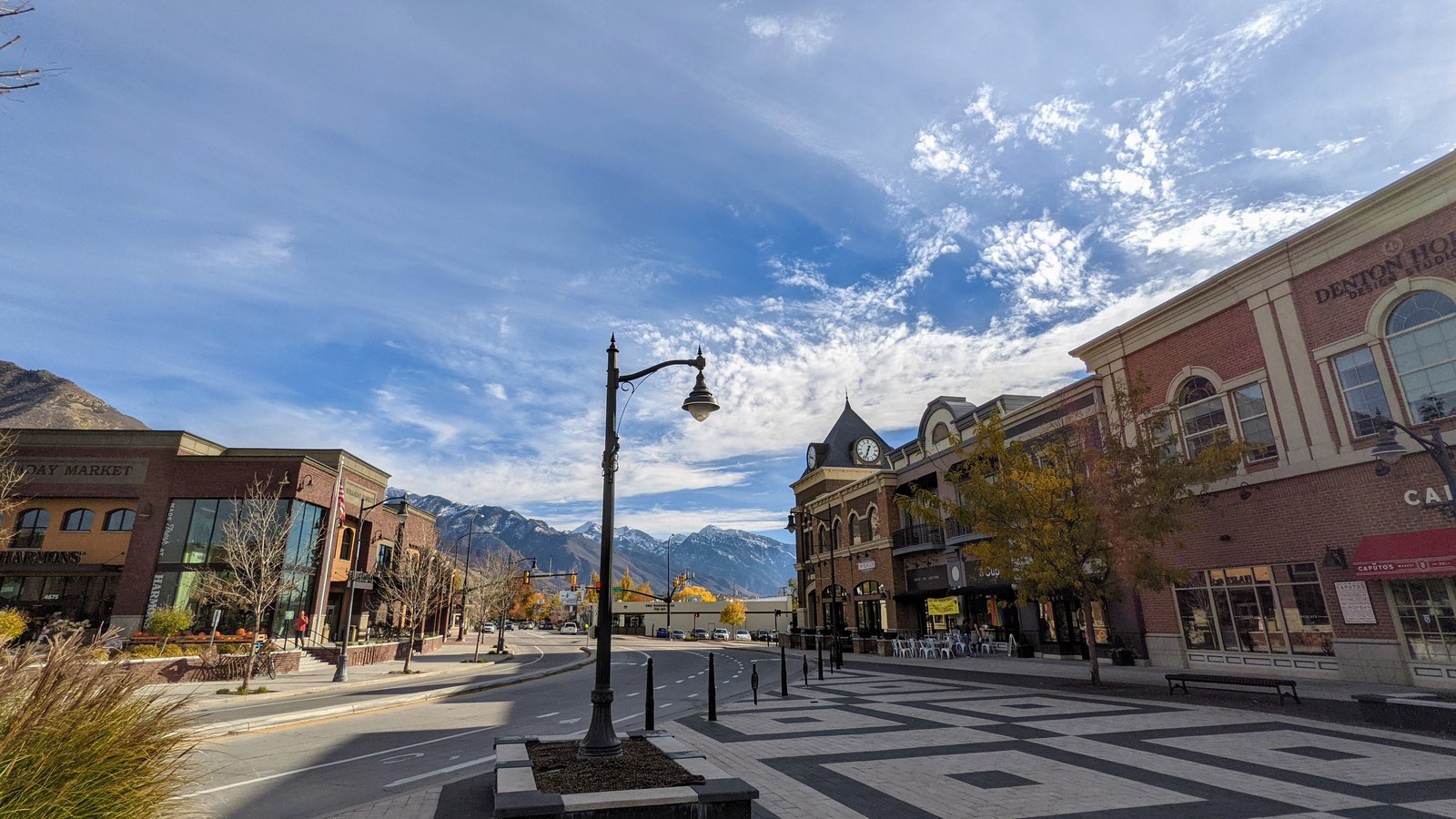

What Holladay & Cottonwood Heights is actually like
Holladay traces to some of the earliest Mormon pioneer settlement of the Salt Lake Valley, in 1847-48, and takes its name from John D. Holladay, one of the area's original settlers -- making it, by founding date, one of the oldest communities in this entire cluster even though it didn't incorporate as its own city until 1999. Cottonwood Heights, immediately south and east, developed later as a distinct suburban area and stayed unincorporated even longer, not becoming its own city until 2005 -- part of a broader wave of Salt Lake County communities that incorporated in the late 1990s and early 2000s rather than remain unincorporated county land or be absorbed by a larger neighbor.
What defines both cities today is geography more than any single civic event: both sit directly at the base of the Wasatch Range, at the mouths of Big Cottonwood Canyon (bordering Holladay and Cottonwood Heights alike) and Little Cottonwood Canyon (Cottonwood Heights' southern edge) -- the two canyon corridors that carry Utah state highways up to four of the Wasatch's best-known ski resorts: Brighton and Solitude up Big Cottonwood Canyon, Alta and Snowbird up Little Cottonwood Canyon. That's a genuinely different, resort-adjacent identity from the valley-floor suburbs elsewhere in this cluster, where the nearest mountain recreation is a drive rather than a ten-minute trip up the road.
Holladay's population runs an estimated 31,099, up 18.3% since the 2010 Census figure of 26,299; Cottonwood Heights runs an estimated 32,828, down 2.1% from its 2010 figure of 33,544 -- a real point of contrast between the two, with Holladay still growing while Cottonwood Heights has held roughly steady or contracted slightly as a largely built-out city (HomeSnacks).
Home values in Holladay & Cottonwood Heights
Zillow's statewide Home Value Index for Utah was $539,949 as of July 31, 2026, up 1.5% year-over-year (Zillow) -- a statewide, not city-specific, figure, offered here as honest context rather than a substitute for a city-level number. Both cities' east-bench, canyon-adjacent locations typically carry a premium within the Salt Lake Valley, though this research did not pull a city-specific Zillow or Redfin figure for either Holladay or Cottonwood Heights -- check either platform directly by ZIP code for a current number before relying on one. Utah taxes income at a flat 4.45% rate for every individual filer (Tax Foundation), on top of which the state levies a 6.10% sales tax with an average combined state-and-local rate of 7.19% statewide -- though Salt Lake County's own combined rate runs slightly above that average, at 7.45% (4.85% state plus a 2.6% county-and-local add-on) (Avalara). Property taxes work differently than in most states: Utah's constitution shields 45% of a primary, owner-occupied home's fair market value from taxation entirely, so only 55% of assessed value is actually taxed -- a structural exemption open to any qualifying primary residence, not tied to the owner's age or income, administered through a one-time Residential Property Declaration filed with the county assessor (Utah State Tax Commission). That exemption helps keep Utah's statewide average effective property tax rate low -- the Tax Foundation puts it at roughly 0.48% of home value, a separate AskDoss analysis at roughly 0.55%, both well under the national average near 0.9% (AskDoss).
Evenings and weekends
Evenings here run toward dinner and après-ski, not a bar district. Porcupine Pub & Grille (3698 Fort Union Blvd, Cottonwood Heights), open since 1998 right at Big Cottonwood Canyon's mouth, is the closest thing to a real après-ski spot in this part of the valley -- 24 drafts and a full bar, open until 10 or 11pm most nights for skiers and mountain bikers coming down off the canyon (Porcupine Pub & Grille). Holladay Village Plaza, on Holladay Boulevard, holds a denser cluster of sit-down restaurants, Taqueria 27 among them, but most close by 9 or 10pm rather than running late. The Holladay Summer Concert Series brings free outdoor shows to Holladay City Hall Park on summer evenings, and Cottonwood Heights' Butlerville Days, a multi-day July festival, is the area's biggest recurring gathering. Weeknights go quiet early in both cities; people wanting a late bar scene head downhill to Sugar House or downtown Salt Lake City.
Getting around
Cottonwood Heights (41 Walk Score) and Holladay (36) are both more walkable than the valley-floor suburbs elsewhere in this cluster, but neither approaches a car-free lifestyle -- a car remains standard for most errands. What's genuinely different here is what an "errand" often means: with Big and Little Cottonwood canyons both a short drive away, many residents' regular trips are up-canyon for recreation rather than local commercial errands, especially during ski season when UTA's seasonal ski-bus routes add a transit option most of this cluster doesn't have.
Holladay & Cottonwood Heights FAQ
Is Holladay a good place to live if you ski or snowboard?
It's about as close to the canyons as valley living gets -- Holladay sits at the mouth of Big Cottonwood Canyon, with road access up to Brighton and Solitude typically a short drive, and UTA runs seasonal ski-bus service up the canyon during winter months.
What's the difference between Holladay and Cottonwood Heights?
They're two separate incorporated cities that share a canyon-mouth location: Holladay traces to 1847-48 pioneer settlement but didn't incorporate until 1999, while Cottonwood Heights developed later and didn't incorporate until 2005. Cottonwood Heights also reaches farther south, to the mouth of Little Cottonwood Canyon and Alta/Snowbird access, while Holladay sits mainly at Big Cottonwood's mouth.
Are Holladay and Cottonwood Heights walkable?
More walkable than most of this cluster's valley-floor suburbs, but not car-free -- Walk Score's statewide Utah city list scores Cottonwood Heights 41 and Holladay 36. A car is still standard for most errands in both.
Do Holladay and Cottonwood Heights have wildfire risk?
Yes -- both cities' eastern, foothill-adjacent edges sit in wildland-urban-interface terrain at the base of the Wasatch Range, carrying periodic wildfire exposure, and canyon-mouth locations specifically can also see debris-flow risk after a burn or during rapid snowmelt. Check Utah's wildfire-risk mapping tools for a specific address.
What school districts serve Holladay and Cottonwood Heights?
Holladay is served by Granite School District. Cottonwood Heights is served primarily by Canyons School District, with some sections instead falling within Granite School District -- confirm the specific zoned school for an address via each district's own attendance-boundary maps given that split coverage.
Which is growing faster, Holladay or Cottonwood Heights?
Holladay -- its estimated population is up 18.3% since the 2010 Census. Cottonwood Heights, by contrast, is down slightly (-2.1%) over the same period, consistent with a largely built-out city with less room left for new development.
Nearby alternatives*We're not ranking these — every place has real trade-offs, and which ones matter is up to you.
Sandy
Immediately south of Cottonwood Heights -- a larger, longer-established Salt Lake County suburb with its own long TRAX history and easier access to Little Cottonwood Canyon.
Draper
Several miles south -- shares this cluster's foothill wildfire/wildland-urban-interface profile, though centered on Corner Canyon rather than the Cottonwood canyons.
Downtown & Central City
The metro's job center, roughly 10-12 miles northwest -- a 20-25 minute drive for most Holladay and Cottonwood Heights commutes.
Compare Holladay & Cottonwood Heights to these side by side →
See what makes Salt Lake City stand out — verified, named medical, dietary, sports, and other specialty resources you won't find in most metros.
Explore Specialty Resources →