Research Triangle Park (RTP), NC
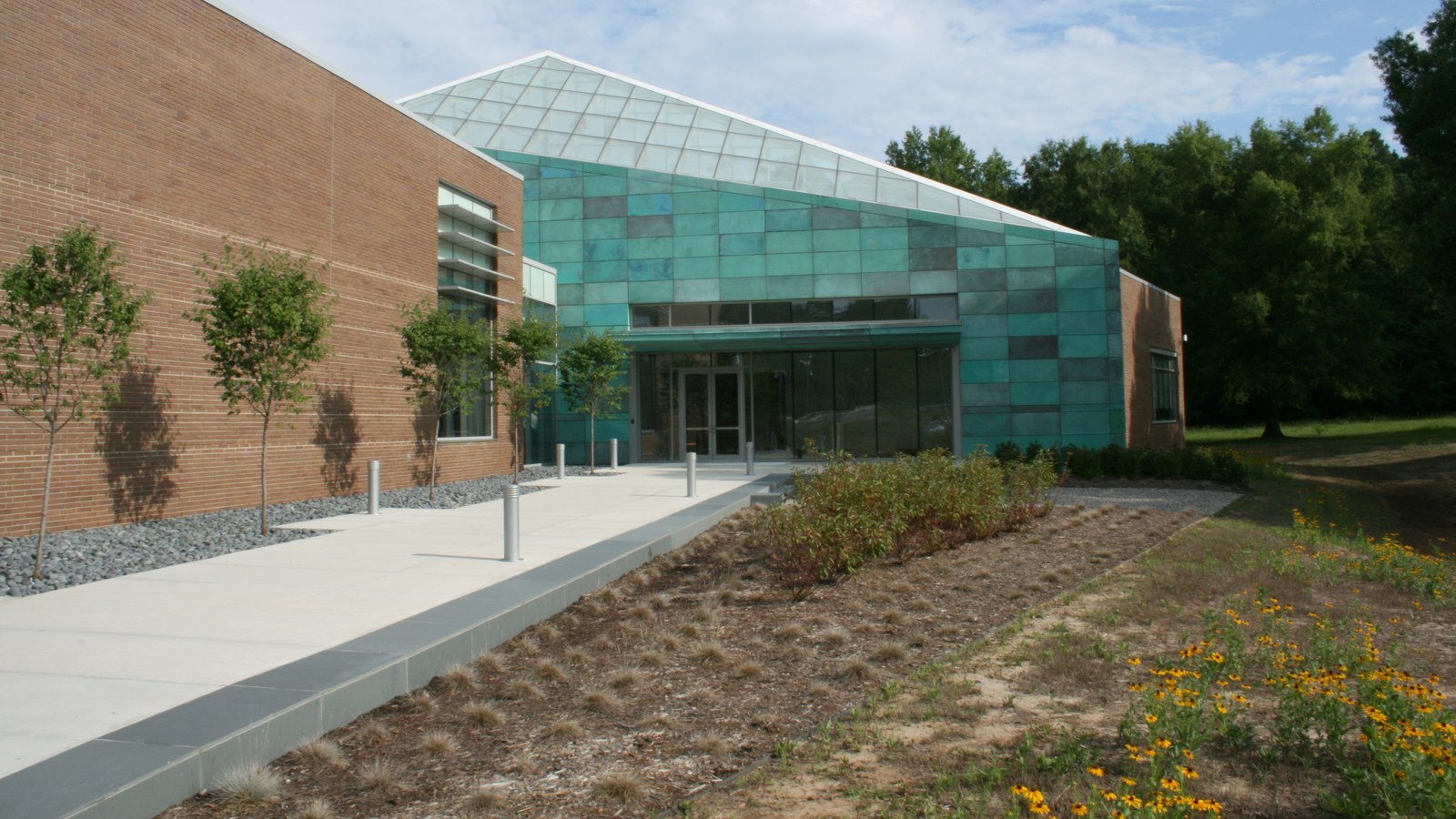

What Research Triangle Park is actually like
Research Triangle Park was founded in 1959 as a 7,000-acre research and office park, mostly in Durham County with about a quarter of its land in Wake County -- and it's important to be direct about what that means: RTP is fundamentally not a residential neighborhood the way the other guides in this sub-region are.
It's now home to more than 300 companies and roughly 65,000 direct workers (plus an estimated 10,000 contractors), including IBM, GlaxoSmithKline, Cisco Systems -- each with roughly 5,000 employees on-site -- and NIEHS (Wikipedia; rtp.org). Historically almost no one lived inside the park itself.
That's starting to change, modestly: Hub RTP, a mixed-use redevelopment that broke ground in 2020, is adding roughly 1,200 apartments as part of a 100-acre project, and newer "Urban Research Service District" zoning now permits some residential and retail mix. Boxyard RTP (an outdoor dining and retail hub built from shipping containers) and The Frontier (a coworking and innovation hub) both signal a push toward "live-work-play," but most people who work in RTP still commute in from surrounding towns -- South Durham/Woodcroft, Cary, Morrisville, or Chapel Hill/Durham proper -- rather than living on-site.
Home values in Research Triangle Park
RTP isn't a conventional home-value market -- it's a 7,000-acre research and office park with very little on-site housing today. Hub RTP is adding roughly 1,200 apartments as part of a 100-acre redevelopment that broke ground in 2020, and newer zoning permits some residential/retail mix, but almost everyone who works here currently buys or rents somewhere else nearby -- Southpoint/South Durham, Woodcroft, Cary, Morrisville, or Chapel Hill and Durham proper -- and commutes in (Wikipedia).
Getting around
RTP is a car-centric commute environment with limited walkability within the park itself, though GoTriangle buses do reach it. It sits directly adjacent to RDU International Airport, and is roughly 15 minutes from both downtown Durham and Chapel Hill by car. The Triangle has no rail transit of any kind — no light rail, commuter rail, or subway. The Durham-Orange Light Rail project, which would have run through this sub-region, was cancelled in March 2019 after Duke University refused to grant a rail easement across its property (WUNC). Every transit option here is bus-only: GoDurham, GoTriangle, Chapel Hill Transit, and Orange County Public Transportation.
Research Triangle Park FAQ
Can you actually live in Research Triangle Park?
Only in a very limited, newly-emerging sense -- Hub RTP is adding roughly 1,200 apartments as part of a redevelopment that broke ground in 2020, but almost everyone who works in RTP still commutes in from surrounding towns.
Is there a hospital in RTP?
Not yet -- UNC Health has state approval to build one, expected to open around 2032. Until then, Duke University Hospital and Duke Regional Hospital in Durham are the nearest full hospitals.
What's it like to commute to RTP?
Car-centric -- roughly 13-20 minutes from downtown Durham or Chapel Hill by car, directly adjacent to RDU Airport -- but there's no rail transit anywhere in the Triangle and limited walkability within the park itself.
What companies are based in RTP?
More than 300, including IBM, GlaxoSmithKline, Cisco Systems (roughly 5,000 employees each of the latter two), and NIEHS, totaling roughly 65,000 direct workers plus an estimated 10,000 contractors.
Nearby alternatives*We're not ranking these — every neighborhood has real trade-offs, and which ones matter is up to you.
Southpoint / South Durham
The nearest South Durham residential/retail corridor most RTP workers commute from.
Woodcroft
A master-planned South Durham community close to RTP, popular with people who work there.
Downtown Durham
Durham's downtown core, roughly 8 miles away via NC-147.
See what makes Raleigh-Durham stand out — verified, named medical, dietary, sports, and other specialty resources you won't find in most metros.
Explore Specialty Resources →