Downtown Durham, NC
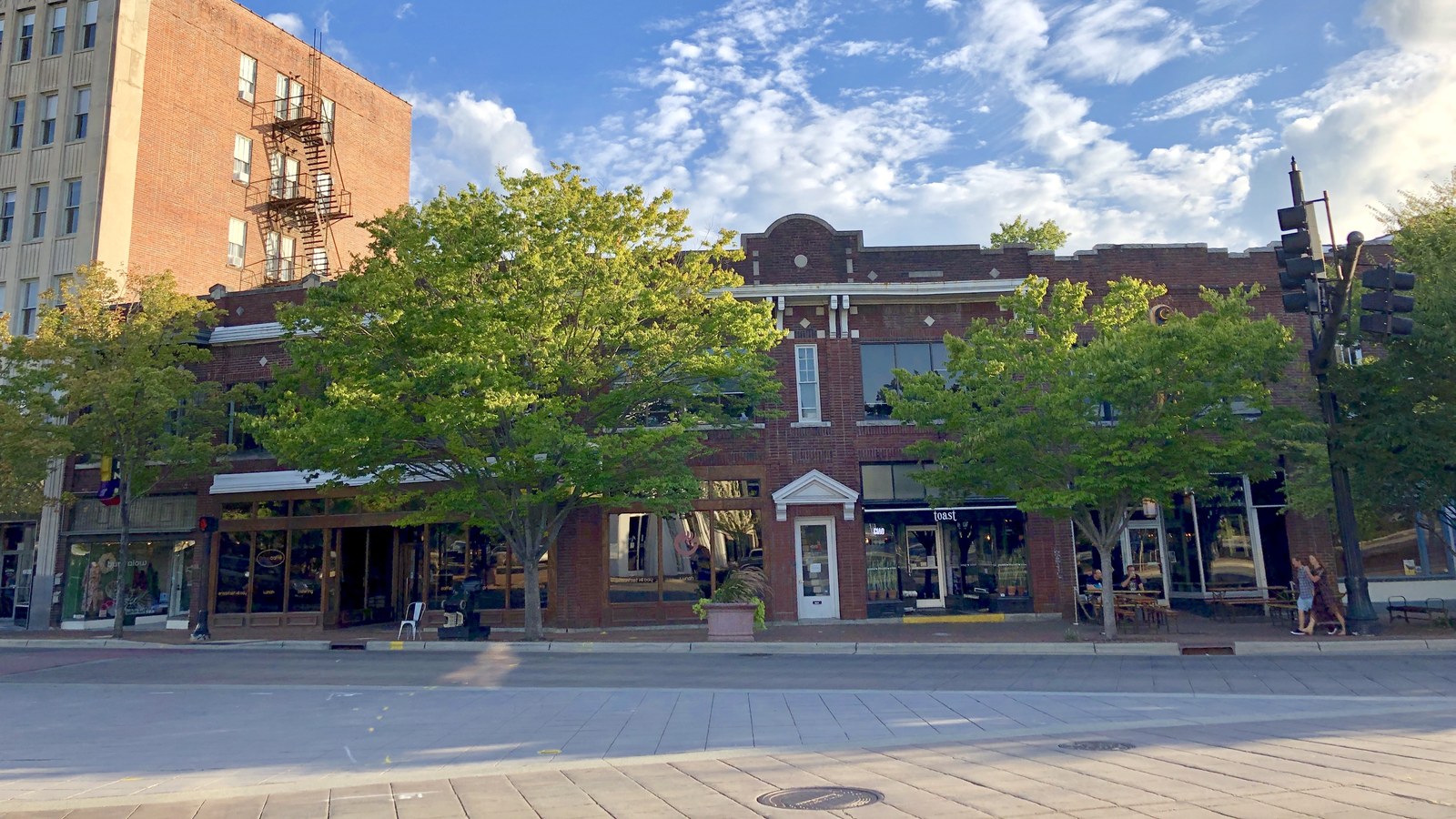
.jpg)
What Downtown Durham is actually like
Downtown Durham's built form still traces back to the city's tobacco and textile industry: the oldest buildings on the American Tobacco Campus date to 1874, the start of more than seven decades of warehouse construction that shaped the district before the last of that industrial activity wound down around 1950.
The defining shift since then has been adaptive reuse: American Tobacco Campus, a 1M+ sq ft, 16-acre redevelopment of those 1874-1950s tobacco warehouses, opened in 2004 and is now the anchor of downtown's revival, home to the Durham Bulls Athletic Park (a 10,000-seat stadium open since 1995), the Durham Performing Arts Center (ranked among the top five venues nationally), Burt's Bees headquarters, and the American Underground startup incubator, part of the Google for Startups network (American Underground).
The result is a small, dense, still-residential core -- population around 2,121 (Point2Homes) -- that skews young professionals, entrepreneurs, and remote or tech workers drawn to the converted lofts, breweries, and restaurants filling out the old warehouse footprints.
Home values in Downtown Durham
Redfin put Downtown Durham's median home sale price at $654,684 in August 2026, down 20.2% year-over-year -- but this is a small, volatile submarket of converted lofts and condos, and only 9 homes sold that month, so a single unusually high- or low-priced sale can swing the median hard (Redfin).
Getting around
Downtown is genuinely the most walkable and bikeable part of Durham — GoDurham's fare-free buses hub at Durham Station right in the core, and most of downtown's restaurants, breweries, and the American Tobacco Campus are within easy walking distance of each other. The Triangle has no rail transit of any kind — no light rail, commuter rail, or subway. The Durham-Orange Light Rail project, which would have run through this sub-region, was cancelled in March 2019 after Duke University refused to grant a rail easement across its property (WUNC). Every transit option here is bus-only: GoDurham, GoTriangle, Chapel Hill Transit, and Orange County Public Transportation.
Downtown Durham FAQ
Is downtown Durham walkable?
Yes -- it's the most pedestrian- and bike-friendly part of the sub-region, anchored by the American Tobacco Campus and Durham Station, and GoDurham buses have been fare-free since the pandemic.
Is there light rail in downtown Durham?
No. The Triangle has no rail transit of any kind -- the Durham-Orange Light Rail project that would have run through here was cancelled in March 2019 after Duke University refused to grant a rail easement across its property.
What's the housing stock like downtown?
Mostly converted lofts and condos in old tobacco warehouses, plus new-construction apartments and condos. It's a thin, small market -- only 9 homes sold in August 2026 -- so prices swing widely month to month.
What's the American Tobacco Campus?
A 1M+ sq ft, 16-acre redevelopment of Durham's historic 1874-1950s tobacco warehouses that opened in 2004. It anchors downtown's revival and includes the Durham Bulls' stadium, the Durham Performing Arts Center, Burt's Bees HQ, and the American Underground startup incubator.
Who lives downtown?
A small, young population -- roughly 2,121 residents -- that skews toward young professionals, entrepreneurs, and remote or tech workers drawn to the converted lofts and the startup scene.
Nearby alternatives*We're not ranking these — every neighborhood has real trade-offs, and which ones matter is up to you.
Trinity Park
Durham's historic district bordering Duke's East Campus, a short walk or drive north of downtown.
Southpoint / South Durham
South Durham's retail-and-residential corridor around The Streets at Southpoint, about 15-20 minutes away by car.
Research Triangle Park
The region's major research/office park, roughly 8 miles from downtown via NC-147.
See what makes Raleigh-Durham stand out — verified, named medical, dietary, sports, and other specialty resources you won't find in most metros.
Explore Specialty Resources →