Wynwood, Miami, FL
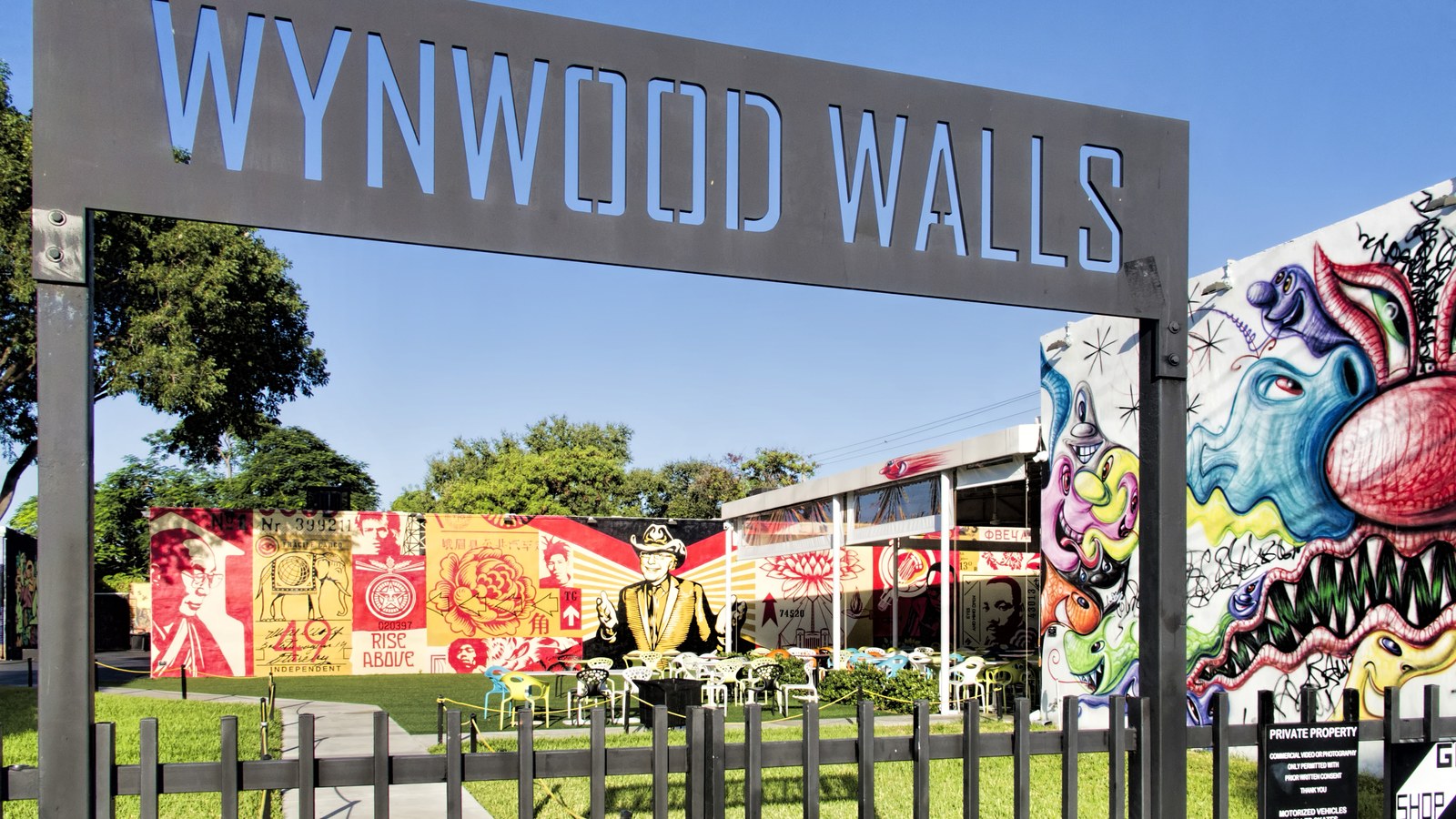

What Wynwood is actually like
Wynwood traces to about 1917, when the area northwest of downtown Miami was platted as a working-class neighborhood of modest single-family homes interspersed with a bakery, a bottling plant, and warehouses (Source). Beginning in the 1920s, Jewish-owned garment factories opened throughout the district, and after World War II the same low-rent warehouses and shotgun houses drew waves of Puerto Rican immigrant families, who by the 1950s had made the neighborhood dense enough to earn the nickname “Little San Juan” (Source).
The garment industry faded by the late 20th century, leaving row after row of vacant warehouses; developer Tony Goldman began buying up Wynwood property in 2004 and owned nearly two dozen buildings by 2008, then in 2009 commissioned the murals that became Wynwood Walls, billed as the world’s largest outdoor street-art museum (Source). The district’s biggest structural turning point came in 2015, when the City of Miami adopted the Wynwood Neighborhood Revitalization District (NRD-1), an upzoning that capped new buildings at 12 stories, permitted micro-units as small as 275 square feet, and allowed full parking reductions for smaller buildings — converting a still-industrial arts district into a legal, mixed-use residential neighborhood almost overnight (Source).
That rezoning set off a residential boom: Wynwood’s population has grown from roughly 1,000 residents before the 2015 upzoning to about 6,000 today, with planned projects expected to add 3,000 more (Source). At least four residential, hotel, or office projects delivered in 2025 alone — including the Society Wynwood apartments and the i5 Wynwood co-living building, both opened in 2024 — with roughly 14 more in the pipeline, among them the planned Cloud One Hotel & Residences (214 hotel rooms and 85 condos, targeted for 2028) (Source).
Home values in Wynwood
Wynwood’s small, still-thin resale market showed a median sale price of $591,000 over the three months ending in August 2026, up 24.4% year-over-year, even as the median price per square foot slipped 11.2% to $569 — a sign of how few comparable sales exist in a neighborhood still dominated by new construction (Source). Zillow’s broader Miami-metro Home Value Index stood at $580,866 as of August 31, 2026, up 0.8% year-over-year (Source). Renters pay more than buyers might expect for a former warehouse district: RentCafe put Wynwood’s average asking rent at $3,488/month as of August 31, 2026 (up 2.28% year-over-year), with studios averaging $3,003, one-bedrooms $3,076, and two-bedrooms $4,192 (Source). Because most of Wynwood’s condo and apartment stock was built after the 2015 NRD-1 rezoning, Florida’s post-Surfside condo-safety law, SB 4-D (codified at Florida Statutes §553.899), which requires milestone structural inspections once a building turns 30 years old (25 if within three miles of the coast) and mandates fully funded structural-integrity reserve studies, is unlikely to force major special assessments here for decades, unlike in Miami’s older coastal towers — though buyers should still confirm any building’s reserve-funding status before closing (Source).
Getting around
Walk Score rates the combined Wynwood-Edgewater area at 87 out of 100 (“most errands can be accomplished on foot”), with a Transit Score of 64 and a Bike Score of 78, making it the second-most walkable large neighborhood in Miami by Walk Score’s own ranking (Source).
Wynwood FAQ
Is Wynwood walkable?
Yes — the combined Wynwood-Edgewater area carries a Walk Score of 87 and a Bike Score of 78, among the highest in Miami, and most restaurants, galleries, and shops are reachable on foot or by scooter (Source).
Does Wynwood flood?
Wynwood’s flood risk is rated moderate rather than severe — about 21% of properties are considered at risk of severe flooding over 30 years, mostly from street-level stormwater rather than direct storm surge, since the neighborhood sits inland of Biscayne Bay (Source).
What is Wynwood’s Arts & Entertainment District zoning, and does it affect buyers?
The 2015 NRD-1 upzoning is the reason Wynwood looks the way it does today: it caps new buildings at 12 stories, allows micro-unit apartments as small as 275 square feet, and reduces parking requirements for smaller buildings — which has kept new-construction supply, and therefore much of the condo stock, quite young, so Florida’s SB 4-D milestone-inspection law is unlikely to trigger major special assessments here for years (Source).
Can you live in Wynwood without a car?
It’s realistic for many day-to-day trips: a free trolley, several Metrobus routes, Citi Bike, and a Walk Score of 87 cover groceries, restaurants, and nightlife, though the lack of a Metrorail or Metromover station inside Wynwood means longer trips downtown or to the airport typically still involve a bus, trolley, or rideshare leg (Source).
Is Wynwood family-friendly?
Not especially — Wynwood built its identity around nightlife, galleries, and breweries, its zoned schools show mixed academic performance, and much of the newer housing stock skews toward studios and micro-units rather than family-sized floor plans, though that is shifting slightly as more conventional apartment towers like Society Wynwood open (Source).
What is there to do in Wynwood?
Wynwood Walls and the surrounding gallery district anchor the neighborhood’s identity as Miami’s street-art hub, alongside the Museum of Graffiti, Wynwood Marketplace’s food vendors, Mana Wynwood’s event and tech campus, and one of the city’s densest concentrations of craft breweries and late-night bars (Source).
Nearby alternatives*We're not ranking these — every neighborhood has real trade-offs, and which ones matter is up to you.
Edgewater
East toward the bay — high-rise waterfront condos rather than Wynwood's converted warehouses and low-rise streetscape, with higher flood-risk exposure that comes with being directly on Biscayne Bay.
Design District
Just north — Wynwood's upscale neighbor, built around luxury retail and design showrooms (Cartier, Louis Vuitton) rather than the street art and breweries Wynwood is known for, with a notably higher First Street flood-risk rating despite the short distance.
See what makes Miami-Fort Lauderdale stand out — verified, named medical, dietary, sports, and other specialty resources you won't find in most metros.
Explore Specialty Resources →