Miami Design District, Miami, FL
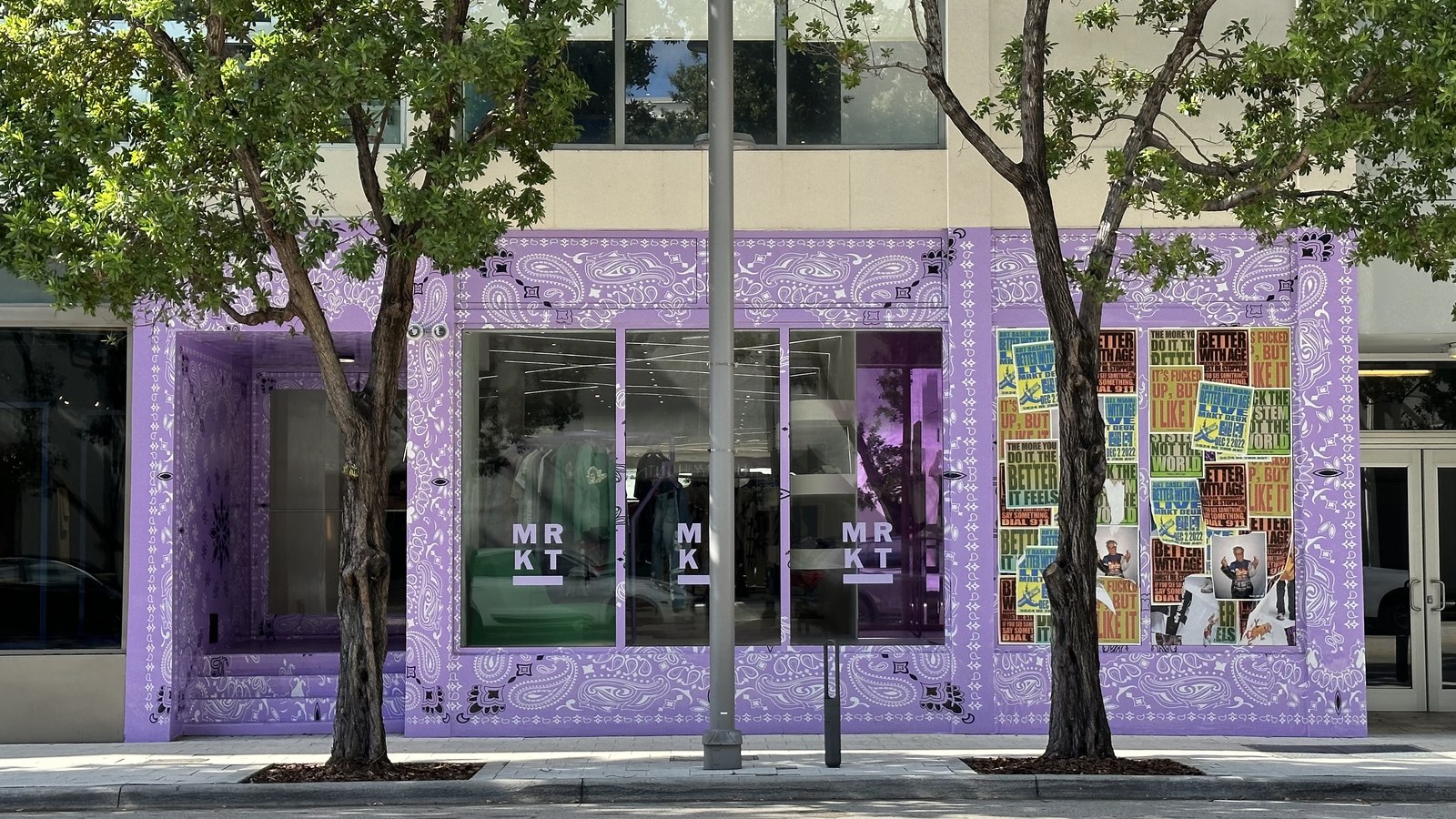

What Design District is actually like
The Design District’s exact founding decade is not well documented in easily verifiable public sources, but by the mid-20th century the streets just north of Wynwood and east of I-95 had become known as Miami’s furniture and interior-design wholesale corridor — a district of showrooms rather than street-level retail (Source). That identity, and the name it left behind, is why the neighborhood is still called the Design District today even though its current tenant roster looks nothing like a furniture wholesale market.
Developer Craig Robins, through his company Dacra, spent years assembling and redeveloping property in the district, gradually replacing furniture wholesalers with art galleries, restaurants, and eventually luxury retail flagships (Source). In 2016, Dacra formalized a partnership called Miami Design District Associates with L Catterton Real Estate — a real-estate investment fund established that year by Catterton, LVMH, and Groupe Arnault — giving the world’s largest luxury-goods conglomerate a direct financial stake in the district’s build-out (Source). The partnership has since built what it calls “the densest concentration of luxury maisons in the southeastern United States,” with more than 200 brands now present, including flagship stores for Chanel, Balenciaga, Hermés, Fendi, Dior, Cartier, and Louis Vuitton (Source).
The district’s newest chapter is residential: nearly 1,000 condo and apartment units are now in the pipeline across five major projects, including the 143-unit Miami Design Residences (priced from $1.7 million to $9.8 million, with an 85-key Fouquet’s hotel attached), the 338-unit, 49-story Jean-Georges Miami Tropic Residences, and a 26-story tower designed by architect David Chipperfield that cleared Miami’s design review board in January 2026 (Source). Developers behind the projects have compared the strategy to Fifth Avenue or Rodeo Drive, betting that affluent buyers will pay a premium to live steps from the maisons themselves (Source).
Home values in Design District
The Design District’s resale housing market is thin almost to the point of not existing yet: Redfin’s neighborhood page shows a typical listing sitting on the market for 422 days, with too few comparable sales to generate a reliable published median sale price or price-per-square-foot figure — a direct consequence of a neighborhood whose residential stock is mostly brand new or still under construction rather than turning over as resales (Source). The better available signal is new-construction pricing: recent projects range from roughly $1 million entry units at Jean-Georges Miami Tropic Residences up to $9.8 million at Miami Design Residences (Source). Zillow’s broader Miami-metro Home Value Index stood at $580,866 as of August 31, 2026, up 0.8% year-over-year (Source); RentCafe puts the district’s average asking rent at $3,314/month, though it does not publish a studio/1-bedroom/2-bedroom breakdown for a rental pool this small (Source). Because virtually all of the Design District’s condo stock is either under construction or only recently delivered, Florida’s post-Surfside milestone-inspection law, SB 4-D (Florida Statutes §553.899), which kicks in once a building turns 30 years old (25 near the coast), is not a near-term concern for buyers here the way it is in Miami’s older coastal towers — the more relevant cost dynamic is the district’s warehouse-to-luxury-retail conversion economics, where Dacra/L Catterton’s ground leases to maisons like Chanel and Dior have driven land values, and now new-construction condo prices, toward levels that track Fifth Avenue and Rodeo Drive rather than the rest of Miami (Source).
Getting around
Walk Score rates the Design District around 98 out of 100 by one Miami neighborhood guide’s count, reflecting a compact, mixed-use retail core where daily errands rarely require a car, though the district’s small residential base and largely retail character make it something of an outlier compared to most walkscore.com neighborhood pages (Source).
Design District FAQ
Is the Design District walkable?
Very — one Miami neighborhood guide puts its Walk Score around 98 out of 100, since the district’s shopping, dining, and public art are concentrated within a compact, pedestrianized retail core (Source).
Does the Design District flood?
Yes, more than most nearby neighborhoods — First Street’s climate data rates about 61% of District properties at risk of severe flooding over the next 30 years, driven mainly by low-elevation stormwater drainage rather than direct Biscayne Bay storm surge (Source).
Why is real estate in the Design District so expensive relative to its size?
The district’s ground-lease model — Dacra and its L Catterton/LVMH-backed partnership lease storefronts directly to luxury maisons like Chanel and Dior — has pushed land values, and now new-construction condo prices, toward levels developers openly compare to Fifth Avenue or Rodeo Drive, with recent projects pricing units from roughly $1 million to nearly $10 million (Source).
Can you live in the Design District without a car?
For daily shopping and dining, yes — it’s one of Miami’s most walkable retail districts and the free trolley connects it to Midtown and Wynwood, but there’s no Metrorail or Metromover station in the district itself, so longer trips still typically require a bus, trolley, or rideshare leg (Source).
Is the Design District family-friendly?
Not particularly, at least historically — the district has had almost no permanent residential population until its current wave of luxury condo towers, and specific zoned-school data for its newest addresses could not be independently confirmed, though the nearby magnet Design & Architecture Senior High School serves art- and design-minded students district-wide (Source).
What is there to do in the Design District?
It’s built around luxury shopping and design culture: more than 200 flagship stores from brands like Chanel and Louis Vuitton, Michelin-recognized restaurants, the ICA Miami contemporary art museum, Palm Court’s public art installations, and the annual Design Miami fair each December (Source).
Nearby alternatives*We're not ranking these — every neighborhood has real trade-offs, and which ones matter is up to you.
Wynwood
Just south — the arts/mural/nightlife district the Design District itself grew out of, with a grittier, lower-rent feel and (per First Street's data) meaningfully lower flood risk.
Little Haiti
North along NE 2nd Avenue — a longtime Haitian immigrant community on notably higher ground, which has made it a national case study in climate-driven real-estate pressure as coastal areas like the Design District face rising flood-risk ratings.
See what makes Miami-Fort Lauderdale stand out — verified, named medical, dietary, sports, and other specialty resources you won't find in most metros.
Explore Specialty Resources →