Pembroke Pines, FL
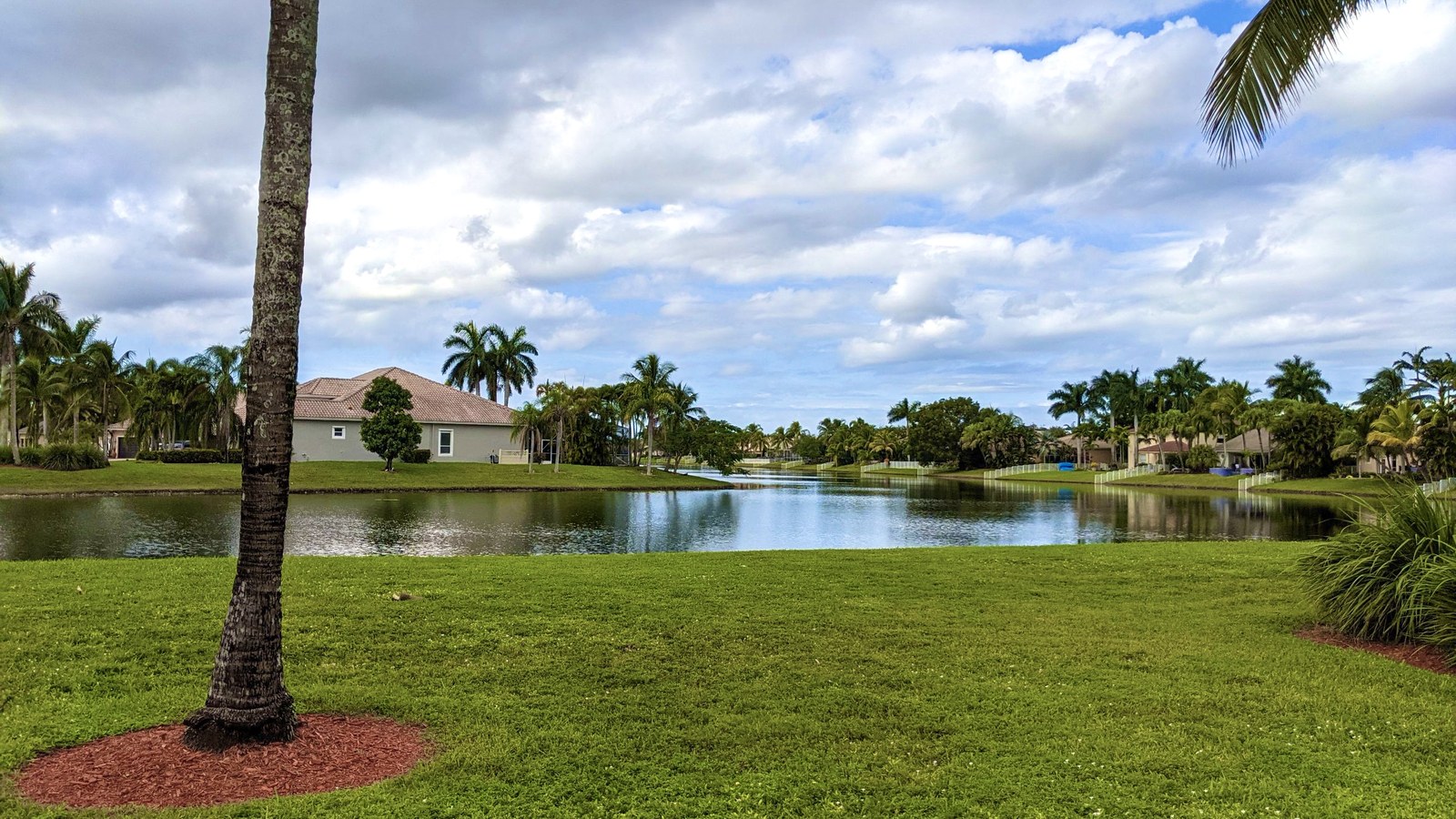

What Pembroke Pines is actually like
Pembroke Pines was incorporated on March 2, 1959, carved out of the pine flatwoods and farmland west of Hollywood, FL (Wikipedia). The “Pembroke” half of the name comes from Pembroke Road, laid out decades earlier and named — like a handful of other roads in the area — for a place in Wales; “Pines” was added for the slash-pine forest that covered the land before development (Wikipedia). For its first two decades the new city stayed small and rural, a farming community on the western fringe of Broward County’s settled area.
That changed fast starting in the 1980s. As Broward’s population pushed west past University Drive and eventually past I-75, Pembroke Pines filled in with one master-planned community after another — Chapel Trail, Pembroke Falls, Century Village, Silver Lakes, Encantada — and its population grew several times over between the 1980 and 2010 Censuses (Wikipedia). The single most consequential move the city made during that boom was civic, not residential: in 1998 Pembroke Pines became one of the first cities in Florida to launch its own city-operated charter school system, a step widely credited with pulling young families to the city, and one the city still runs today from elementary school through its Charter High School (City of Pembroke Pines).
The growth never fully stopped. The city’s 2020 Census population was 171,178, and current city and county estimates put it at roughly 178,000 residents — consistently one of Broward County’s two or three largest cities, trailing only Fort Lauderdale and running close with Hollywood (Wikipedia). Most new building now is infill and redevelopment near the city’s core rather than new subdivisions on open land, since there isn’t much vacant land left; Pembroke Pines today has settled into an identity built more around good public and charter schools and quiet, gated subdivisions than around downtown nightlife or urban density.
Home values in Pembroke Pines
Pembroke Pines’ median sale price is noticeably cheaper than Miami-Dade’s coastal condo markets, but pinning down one current figure is harder than usual here: Zillow’s Home Value Index put the typical Pembroke Pines home value at $483,691 as of December 31, 2025, down 4.6% over the prior year (Zillow), while separate reporting on Redfin’s data cited a February 2026 median sale price around $483,000, also down roughly 5% year-over-year — the two sources roughly agree in the high-$400,000s, but check Redfin’s own Pembroke Pines page directly for the current month’s exact number, since it moves and this pass could not pull one stable live figure from it. RentCafe put Pembroke Pines’ average apartment rent at $2,475 a month as of August 31, 2026, with one-bedrooms averaging $2,091 and two-bedrooms $2,529 (studio data wasn’t available) (RentCafe). One cost that’s easy to underweight when comparing a listing price here to one in an older Broward suburb: a large share of Pembroke Pines’ housing stock sits inside HOA- or CDD-governed master-planned communities (Pembroke Falls, Chapel Trail, Silver Lakes and similar), and those come with mandatory monthly or quarterly dues, gate and amenity fees, and community-specific rules that can add several hundred dollars a month on top of the mortgage — always pull the HOA budget and rules before making an offer.
Getting around
Walk Score rates Pembroke Pines 32 overall (“Car-Dependent”) citywide, with a Transit Score of 25 and a Bike Score of 41, in line with most master-planned western Broward suburbs — most errands require a car, though scores vary block by block, with a few newer developments built with more internal paths and sidewalks (Walk Score).
Pembroke Pines FAQ
Is Pembroke Pines walkable?
Not really — Walk Score rates the city 32 out of 100, “Car-Dependent,” and daily errands generally require a car, though some of the newer master-planned communities have their own internal sidewalks and paths (Walk Score).
Does Pembroke Pines flood?
It’s inland and not exposed to coastal storm surge, but low-lying streets near the city’s canal network can see standing water during heavy summer rain, so flood risk is worth checking address by address (First Street Foundation).
What’s the deal with HOA fees in Pembroke Pines?
A large share of the city’s housing sits inside HOA- or CDD-governed communities (Pembroke Falls, Chapel Trail, Silver Lakes, and similar), so budgeting for a few hundred dollars a month in dues and amenity fees on top of the mortgage is normal here — always pull the HOA budget and rules before making an offer.
Do I need a car in Pembroke Pines?
Yes. There’s no Tri-Rail station and no Metrorail, and only limited Broward County Transit bus service; this is a drive-everywhere suburb built around arterial roads like Pines Boulevard and University Drive.
Is Pembroke Pines good for families?
By reputation and by the numbers, yes — it’s one of Broward County’s largest and most consistently family-oriented cities, and it’s one of the few cities in the country that runs its own city-operated charter school system alongside its zoned Broward County Public Schools options (City of Pembroke Pines).
What is there to do in Pembroke Pines?
C.B. Smith Park (water park, fishing lake, campground), Pembroke Lakes Mall for shopping, and the Academic Village civic complex are the city’s main anchor destinations, alongside a large number of neighborhood parks scattered through its master-planned communities.
Nearby alternatives*We're not ranking these — every neighborhood has real trade-offs, and which ones matter is up to you.
See what makes Miami-Fort Lauderdale stand out — verified, named medical, dietary, sports, and other specialty resources you won't find in most metros.
Explore Specialty Resources →