Miramar, FL
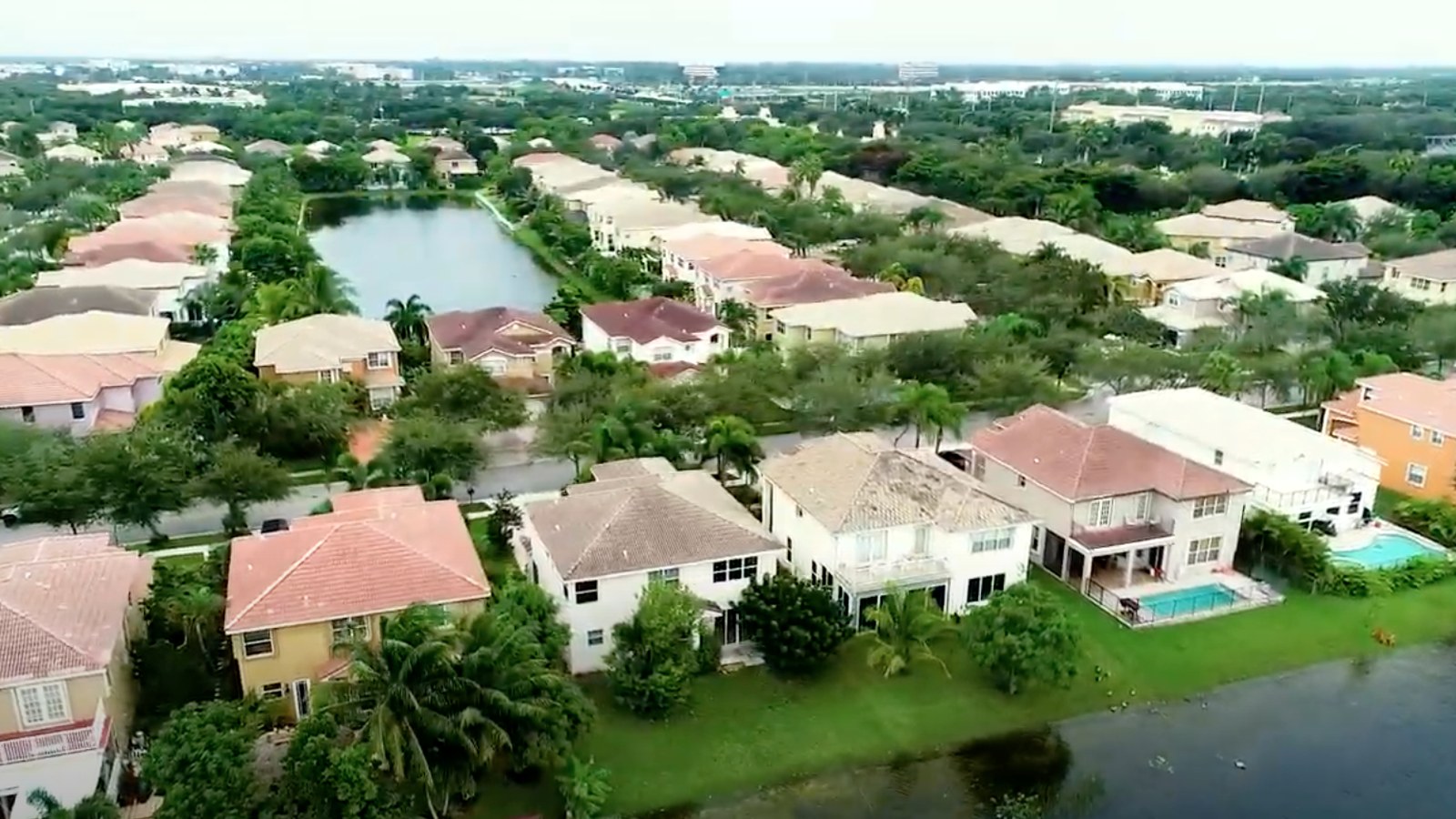

What Miramar is actually like
Miramar was incorporated on May 26, 1955, after developer A.L. Mailman purchased land from H.D. Perry Sr. in 1953 and built an initial 56 concrete homes on it (Wikipedia). The new city was named, on the recommendation of Mayor Robert Gordon, for the Miramar district of Havana, Cuba, where Mailman kept a summer home — “Miramar” translates roughly to “look at the sea” in Spanish, even though the city itself sits well inland (Wikipedia). Growth was explosive almost immediately: the population went from 5,485 in 1960 to 23,997 by 1970, an increase of well over 300 percent in a single decade (Wikipedia).
Miramar adopted a formal Comprehensive Land Use Plan in 1972, well ahead of the state mandate that later required one, which set the pattern for the planned, phased growth that followed (Wikipedia). The city’s next major turning point came in the 2000s, when a wave of development built Miramar Town Center (city hall, the Miramar Cultural Center and ArtsPark, and surrounding retail and residential) and the Miramar Park of Commerce, a large business park that drew major corporate tenants; the FBI’s Miami Field Office relocated into a 330,000-square-foot LEED-certified facility in Miramar in December 2014, and employers such as Comcast, Strayer University, and Royal Caribbean Cruises built a substantial local office presence (Wikipedia).
The growth has kept going: the city’s 2020 Census population was 134,721, and a 2024 estimate put it at roughly 143,242 residents, making Miramar the 14th-largest city in Florida and the 6th-largest in the Miami metro area (Wikipedia). As of recent data cited on Wikipedia, roughly two-thirds of the land within city limits remained undeveloped, meaning Miramar — unlike built-out Pembroke Pines next door — still has meaningful room for new master-planned subdivisions and commercial development on its western edge (Wikipedia).
Home values in Miramar
Redfin put Miramar’s median sale price at $549,636 as of August 2026, or $301 per square foot, up 4.7% year-over-year on price though price-per-square-foot was down 5.2% — a touch above neighboring Pembroke Pines, which roughly tracks Miramar’s newer housing stock and its Town Center-era new construction; check Redfin’s Miramar page for the current month’s figure, since it moves (Source). Zillow’s Home Value Index (ZHVI) for Miramar specifically put the typical home value at $521,847 as of July 31, 2026, down 2.0% over the past year (Source) — a genuinely different market from Miami-Dade. RentCafe put Miramar’s average apartment rent at $2,639 a month as of August 2026, with one-bedrooms averaging $2,200 and two-bedrooms $2,707 (studio data wasn’t available) (RentCafe). As in Pembroke Pines, a large share of Miramar’s housing — especially anything built since the 2000s Town Center-era boom — sits inside an HOA or CDD, so monthly dues, gate and amenity fees, and community-specific rules are worth budgeting for on top of the mortgage before making an offer.
Getting around
Walk Score rates Miramar 28 overall (“Car-Dependent”) citywide, with a Transit Score of 25 and a Bike Score of 40 — unsurprising for a city built mostly after 1990 around wide arterial roads and gated subdivisions, though a few newer, path-equipped sections around Miramar Town Center score somewhat better (Walk Score).
Miramar FAQ
Is Miramar walkable?
No — like most of western and central Broward, Miramar rates 28 out of 100 on Walk Score, “Car-Dependent,” with most errands requiring a car outside a few newer, more walkable pockets near Miramar Town Center (Walk Score).
Does Miramar flood?
It’s inland and away from coastal storm surge, but it still sits near the Everglades-edge canal system and can see heavy-rain and stormwater flooding in low-lying spots — worth checking a specific address’s flood zone before buying (First Street Foundation).
Is Miramar in Miami-Dade County?
No — despite sitting directly on the county line and being closer to Miami than most of Broward, Miramar is entirely within Broward County, and its schools are zoned to Broward County Public Schools, not Miami-Dade County Public Schools.
Do I need a car in Miramar?
Yes. Miramar has no rail station of its own; Broward County Transit buses run through the city, but this is a car-dependent suburb built around wide arterial roads like Miramar Parkway and Pembroke Road.
Is Miramar good for families?
Generally yes — it’s a fast-growing, largely suburban city built mostly around master-planned single-family and townhome communities, with Memorial Hospital Miramar and a large number of city parks and youth sports facilities like the SilverLakes complex.
What is there to do in Miramar?
The Miramar Cultural Center and ArtsPark, Miramar Regional Park’s amphitheater, and the SilverLakes equestrian and sports complex are the city’s main cultural and recreational anchors, alongside shopping and dining around Miramar Town Center.
Nearby alternatives*We're not ranking these — every neighborhood has real trade-offs, and which ones matter is up to you.
Pembroke Pines
Miramar's neighbor just to the north, sharing a similar mix of newer master-planned development.
Davie
A more rural-feeling, equestrian-zoned Broward suburb a short drive northwest, for comparing pace and density.
See what makes Miami-Fort Lauderdale stand out — verified, named medical, dietary, sports, and other specialty resources you won't find in most metros.
Explore Specialty Resources →