Little Havana, Miami, FL

What Little Havana is actually like
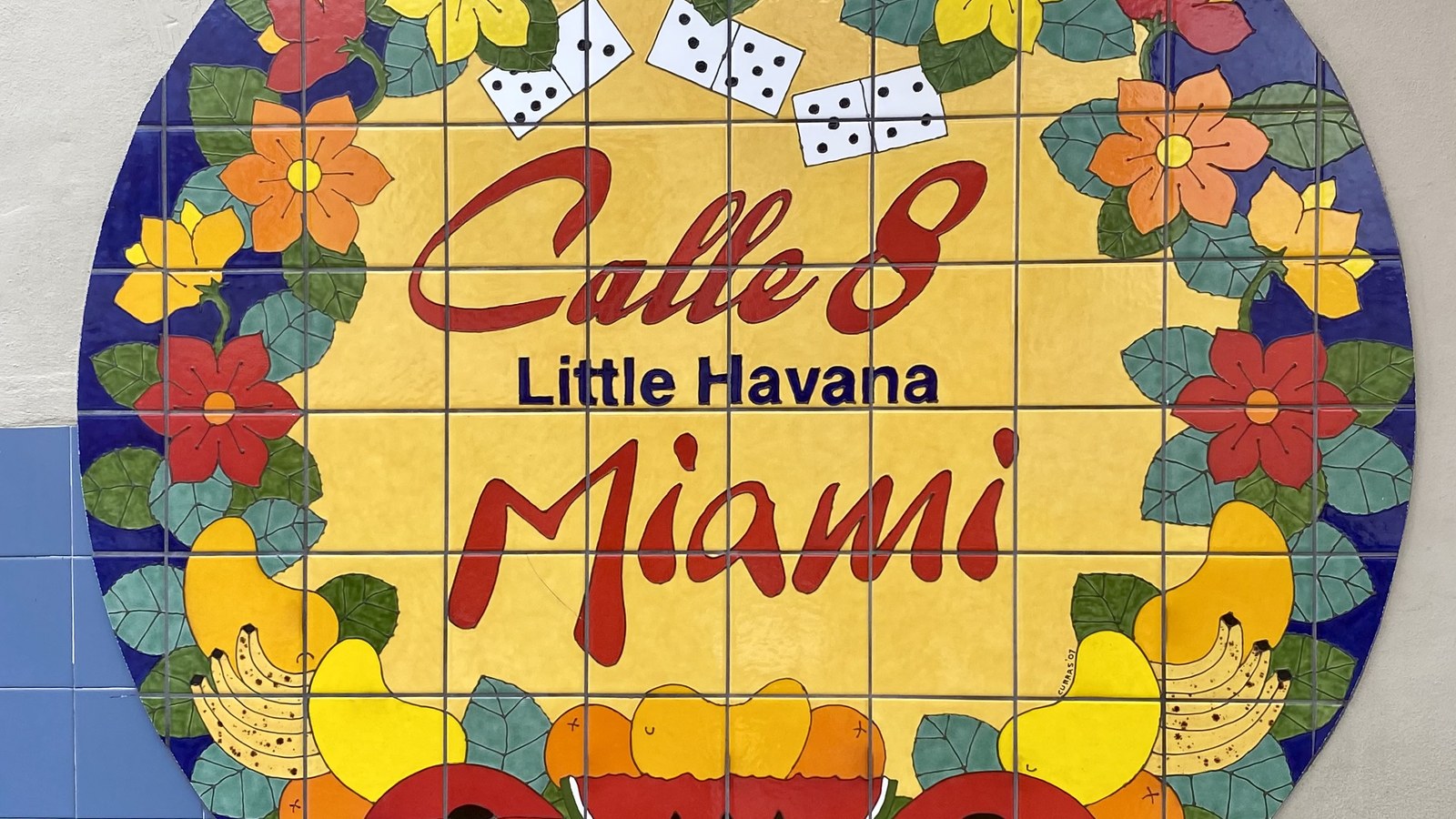
Little Havana began the 20th century as a modest, mostly Southern and Jewish neighborhood of bungalows just west of downtown Miami (Wikipedia). Its identity changed almost overnight after 1959, when Cubans fleeing Fidel Castro’s revolution began settling along Southwest 8th Street — Calle Ocho — most expecting to stay only until Castro fell; instead the area became “a hotbed of counter-revolutionary activity” and, within a decade, a permanent Cuban stronghold (Wikipedia). By 1970 more than 85% of the neighborhood’s residents were Cuban, and Little Havana became what the National Trust for Historic Preservation now calls “an internationally recognized symbol of the role of immigrants in the American story” (National Trust for Historic Preservation).
The neighborhood’s Cuban identity diversified as it matured: the Cuban share of residents fell from about 84% in 1979 to roughly 58% by 1989 as Nicaraguan, Honduran, and other Central American immigrants arrived, even as Little Havana remained the symbolic and commercial capital of Cuban Miami (Wikipedia). Institution-building followed: the Calle Ocho Festival launched in 1977 and now draws well over a million visitors a year (in 1988 it set a Guinness World Record with a 119,986-person conga line), Máximo Gómez Park — known locally as Dominó Park — became the neighborhood’s open-air living room for coffee, cigars, and dominoes, and two historic districts, South River Drive (added to the National Register in 1987) and Riverview (designated 2015), preserved pockets of the area’s Mediterranean Revival and Miami Modern architecture (Wikipedia).
That same historic fabric is now under pressure. The National Trust for Historic Preservation named Little Havana to its list of “11 Most Endangered Historic Places” in 2015, citing demolitions and rezoning that threatened to price out longtime residents and the mom-and-pop businesses that define Calle Ocho, then elevated the neighborhood to a “national treasure” in 2017 as advocates pushed back on redevelopment proposals (National Trust for Historic Preservation; NPR). A community-driven revitalization plan followed in 2019, aimed at steering new investment without hollowing out the neighborhood’s character. Today Little Havana is home to an estimated 53,000-plus residents packed into a dense, low-rise grid (Walk Score), and it remains, per Redfin, a relatively affordable slice of central Miami even as investor interest in its historic bungalows and courtyard apartments keeps climbing (Redfin).
Home values in Little Havana
The median home in Little Havana sold for $575,000 over the three months ending in June 2026, or about $294 a square foot — up 13.3% year over year even as price-per-square-foot slipped slightly, with homes typically taking about 115 days to sell in a market Redfin rates as not very competitive (Redfin). Zoomed out to the broader Miami metro area, Zillow’s home value index stood at $580,866 as of August 31, 2026, up 0.8% year over year (Zillow). Renters pay an average of $2,616 a month for 835 square feet as of August 2026, up 2.28% from a year earlier — studios average $1,829, one-bedrooms $2,322, and two-bedrooms $2,905 (RentCafe). Unlike Brickell’s condo towers, Little Havana’s housing stock is overwhelmingly small multifamily buildings and single-family bungalows, so the post-Surfside condo safety law (Florida’s SB 4-D) is largely beside the point here; the bigger cost story is preservation and zoning. Two historic districts limit teardowns and dictate what can be built where, and rising land values — driven partly by the same investment pressure that put Little Havana on the National Trust’s endangered-places list — have pushed property assessments, and with them property tax bills, upward for longtime owners even as the neighborhood remains cheaper on a per-square-foot basis than most of central Miami (National Trust for Historic Preservation).
Getting around
Little Havana posts a Walk Score of 87 (“Very Walkable”), a Transit Score of 62, and a Bike Score of 65 — ranking it the 3rd most walkable neighborhood in the city of Miami (Walk Score).
Little Havana FAQ
Is Little Havana walkable?
Yes — Little Havana carries a Walk Score of 87 (“Very Walkable”), a Transit Score of 62, and a Bike Score of 65, and a free City of Miami trolley runs the length of Flagler Street through the neighborhood (Walk Score).
Does Little Havana flood?
Little Havana sits inland along the Miami River, so it generally sees less storm-surge risk than coastal Miami neighborhoods, but Miami-Dade’s flat terrain and high water table still put some low-lying blocks into higher-risk flood zones — always check the flood zone for a specific address before buying (Miami-Dade County).
What’s driving up housing costs in Little Havana?
It’s less a single law and more sustained investor and redevelopment interest in a historically low-rise, affordable neighborhood: the National Trust for Historic Preservation put Little Havana on its 2015 list of “11 Most Endangered Historic Places” specifically because rezoning and demolitions threatened to price out longtime residents, and that pressure on land values and property tax assessments has continued since (National Trust for Historic Preservation).
Can you live in Little Havana without a car?
It’s more realistic than in most of Miami: an 87 Walk Score, a free neighborhood trolley, Metrobus routes, and Metrorail access at the nearby Culmer and UHealth–Jackson stations cover a lot of daily needs, though a car still helps for anything outside the immediate area (Walk Score).
Is Little Havana family-friendly?
It’s a dense, historic, walkable urban neighborhood more than a suburban one — Miami-Dade County Public Schools serves the area, but exact zoned schools vary by address, so families should check a specific property against M-DCPS’s official locator before assuming a school assignment (GuideK12).
What is there to do in Little Havana?
Calle Ocho itself is the draw — cigar shops, live music at Ball & Chain, the monthly Viernes Culturales street festival, dominoes at Máximo Gómez Park, and the annual Calle Ocho Festival, one of the largest street festivals in the country (Wikipedia).
Nearby alternatives*We're not ranking these — every neighborhood has real trade-offs, and which ones matter is up to you.
Downtown Miami
Just east across the Miami River — Miami's business and government core, with far more high-rise density and tourist traffic than Little Havana's low-rise, Calle Ocho-anchored streetscape.
Coconut Grove
South via SW 8th Street — a leafier, higher-priced, more single-family-home neighborhood with a very different (Bahamian-founded, bohemian-turned-affluent) history than Little Havana's Cuban-exile roots.
See what makes Miami-Fort Lauderdale stand out — verified, named medical, dietary, sports, and other specialty resources you won't find in most metros.
Explore Specialty Resources →