Coconut Grove, Miami, FL
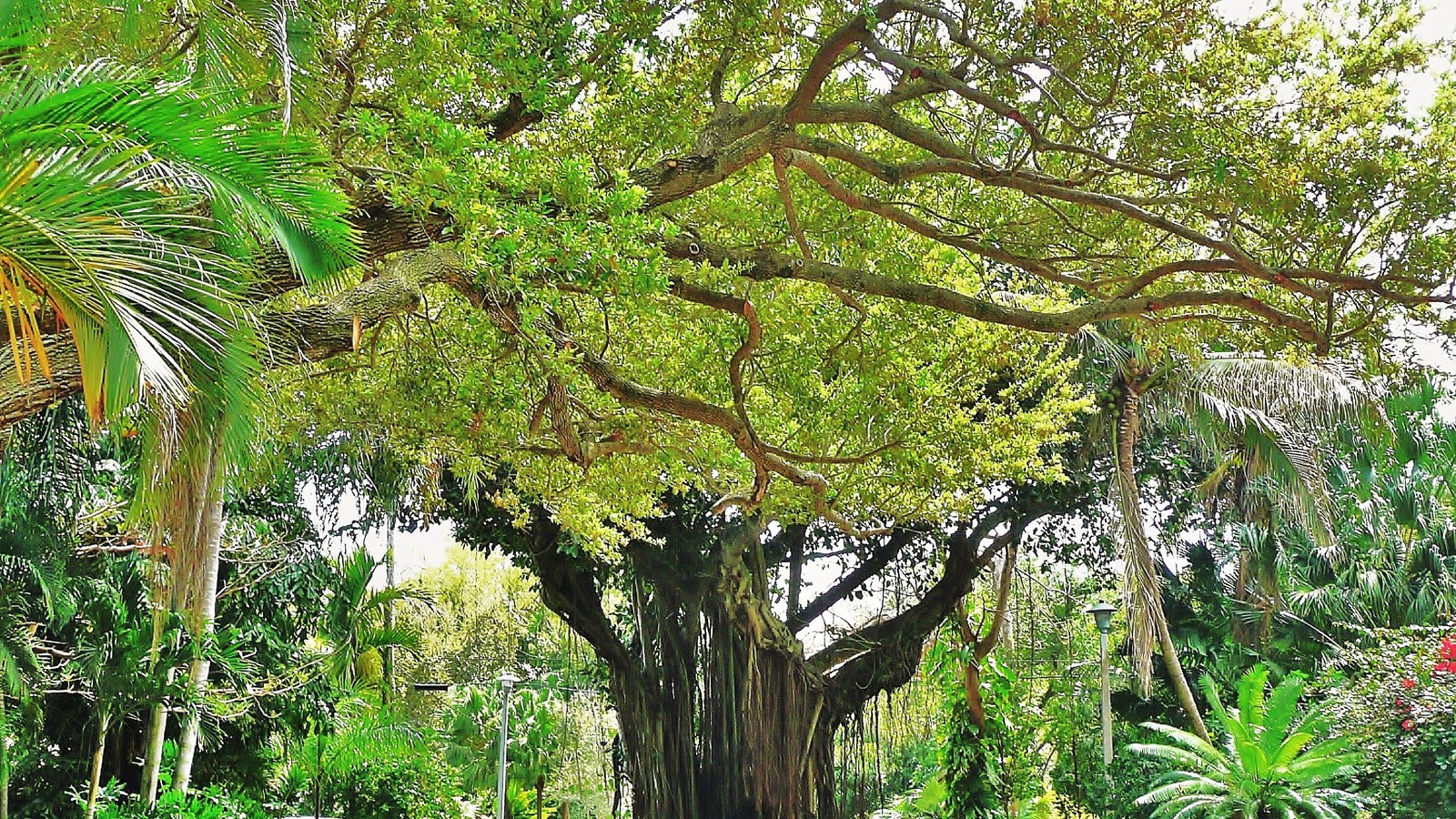

What Coconut Grove is actually like
Coconut Grove is widely described as Miami’s oldest continuously inhabited neighborhood, with roots that predate the City of Miami’s own 1896 incorporation. Homesteading in the area dates to 1868, but the community’s defining chapter came in the 1870s, when Bahamian families — including the Pent and Frow families — settled along what is now Charles Avenue, working the boatbuilding, fishing, and sponging trades and founding the historically Black settlement long known as West Grove, or “Little Bahamas” (Source, Source). In 1887, pioneer settler Isabella Peacock organized Sunday school classes that grew into Plymouth Congregational Church and, in 1889, into Miami-Dade County’s first public school; a few years later, in 1891, yacht designer Ralph Munroe built The Barnacle on the bayfront, today preserved as The Barnacle Historic State Park and still the oldest house standing on its original site in Miami-Dade County (Source).
In March 1919, 43 Grove residents voted to incorporate their community as the independent Town of Coconut Grove, with Irving J. Thomas as its first mayor. Independence lasted only six years: under a 1905 Florida law that required just a combined two-thirds majority across several communities voting together, rather than a majority within each one, a September 2, 1925 special election folded Coconut Grove into the City of Miami alongside Silver Bluff, Allapattah, Little River, and Buena Vista — even though roughly 87% of Grove voters had themselves cast ballots against it (Source). The neighborhood found its next distinct identity decades later: by the mid-1960s, Coconut Grove had become a genuine countercultural enclave, drawing folk musicians, artists, and writers such as Joni Mitchell, David Crosby, and Tennessee Williams — a bohemian reputation the Grove still trades on — while its Bahamian founding heritage is celebrated each year at the Goombay Festival, launched in 1977 (Source, Source).
More recently, Coconut Grove has rebuilt its commercial core around large mixed-use projects: CocoWalk and the Streets of Mayfair (“Mayfair in the Grove”) anchor the village center, and Terra Group and Grass River’s Grove Central — a 23-story, 402-unit residential tower with roughly 170,000 square feet of retail, a 1,250-space public garage, and a new multimodal transit hub built directly onto the Coconut Grove Metrorail station — was a 2025 ULI Southeast Florida/Caribbean Project of the Year finalist (Source). The neighborhood’s population has grown accordingly, from just over 20,000 residents at the 2010 Census to an estimated 24,000–24,500 today, though exact neighborhood-level counts vary by source and by exactly where the Grove’s boundaries are drawn (Source, Source).
Home values in Coconut Grove
Redfin puts Coconut Grove’s median home sale price at $1.65 million as of its most recent monthly report in 2026, down 8.6% year-over-year, with a median price per square foot of $867, down 6.2% year-over-year — homes here are taking an average of roughly 133 days to sell and drawing about one offer each, a noticeably slower, less competitive market than Miami’s urban-core condo neighborhoods (Source). That figure sits far above Zillow’s Miami-metro-wide Zillow Home Value Index (ZHVI) of $580,866 as of August 31, 2026, up 0.8% year-over-year — but the two numbers aren’t really comparable: the metro ZHVI blends every home type across Miami-Dade, while Coconut Grove’s median sale price reflects a market skewed toward large, waterfront, and historic single-family lots, so the gap says more about the Grove’s housing mix than about relative appreciation (Source).
Renters see a similar premium: RentCafe puts the average Coconut Grove apartment at $4,009 a month (976 square feet average) as of August 31, 2026, down 2.96% from a year earlier, with one-bedrooms averaging $3,318 (785 sq ft) and two-bedrooms averaging $4,367 (1,095 sq ft); studio-specific pricing wasn’t broken out separately in RentCafe’s data (Source).
Because Coconut Grove is majority single-family and low-rise, not majority high-rise condo like Brickell, Florida’s post-Surfside SB 4-D condo milestone-inspection and reserve-funding law is a lighter factor here — it still applies to the Grove’s older bayfront condo and co-op buildings, but it doesn’t define the neighborhood’s cost structure the way it does in a tower-dominated district. The more locally distinctive cost and legal factor in 2026 is Miami’s tree-canopy and Neighborhood Conservation District (NCD-3) rules: a 2019 court ruling left NCD-3’s tree-protection language largely unenforceable, and tree-removal appeals to the city’s Historic and Environmental Preservation Board jumped from just one in all of 2025 to fourteen in the first half of 2026 alone, prompting a citywide tree-ordinance rewrite with a Coconut Grove-specific public workshop held in August 2026 — a live issue for anyone buying an older Grove lot with mature trees (Source).
Getting around
Coconut Grove posts a Walk Score of 94 (“Walker’s Paradise”), a Transit Score of 51 (“Good Transit”), and a Bike Score of 85 (“Very Bikeable”) for the 33133 zip code covering most of the neighborhood — reflecting a genuinely walkable village center along Grand Avenue and CocoWalk, even though its transit access trails denser, more transit-saturated neighborhoods like Brickell (Source).
Coconut Grove FAQ
Is Coconut Grove walkable?
Yes — Coconut Grove carries a Walk Score of 94 (“Walker’s Paradise”) and a Bike Score of 85 for the area around its village center, though its Transit Score of 51 is more modest than denser, Metromover-served neighborhoods like Brickell (Source).
Does Coconut Grove flood?
It can — Coconut Grove sits directly on Biscayne Bay, and storm surge is the main risk. Hurricane Irma in 2017 pushed bay water into shoreline building lobbies and onto Grove streets and was one of the storms that hit the neighborhood hardest in recent memory (Source).
Does Florida’s condo safety law (SB 4-D) matter much in Coconut Grove?
Less than in a tower-dominated neighborhood like Brickell — the Grove is majority single-family and low-rise, so SB 4-D’s milestone-inspection and reserve rules mainly touch its older bayfront condo and co-op buildings. A bigger local factor right now is Miami’s tree-canopy and Neighborhood Conservation District (NCD-3) rules, which are mid-rewrite in 2026 after a 2019 court ruling left the old tree-protection language largely unenforceable (Source).
Can you live in Coconut Grove without a car?
It’s workable for daily errands — the Grove has its own Metrorail Green Line station, a free trolley, and a walkable village center (Source) — but many of its quieter, tree-canopied residential streets away from the center are easier with a car or bike than on foot alone.
Is Coconut Grove good for families?
Many families find it so: Coconut Grove Elementary is rated 10/10 by GreatSchools, Peacock Park and the Barnacle offer bayfront green space, and the neighborhood’s historic, tree-lined streets read as more residential than Miami’s condo-tower districts — though its single-family home prices run well above the Miami-metro median (Source).
What is there to do in Coconut Grove?
CocoWalk and the Streets of Mayfair for shopping, dining, and movies; Peacock Park and the Coconut Grove Sailing Club for bayfront recreation; The Barnacle Historic State Park for a look at the Grove’s 1891 roots; and the new Grove Central development adding retail next to the Metrorail station (Source).
Nearby alternatives*We're not ranking these — every neighborhood has real trade-offs, and which ones matter is up to you.
Brickell
A short drive north — Miami's financial district, almost entirely high-rise condo towers, a much denser and more vertical feel than the Grove's tree-canopied, low-rise streets.
Little Havana
North and west — a historically Cuban-exile community with a lower-rise, more affordable housing stock than Coconut Grove's mostly single-family, higher-priced homes.
See what makes Miami-Fort Lauderdale stand out — verified, named medical, dietary, sports, and other specialty resources you won't find in most metros.
Explore Specialty Resources →