Hialeah, FL

What Hialeah is actually like
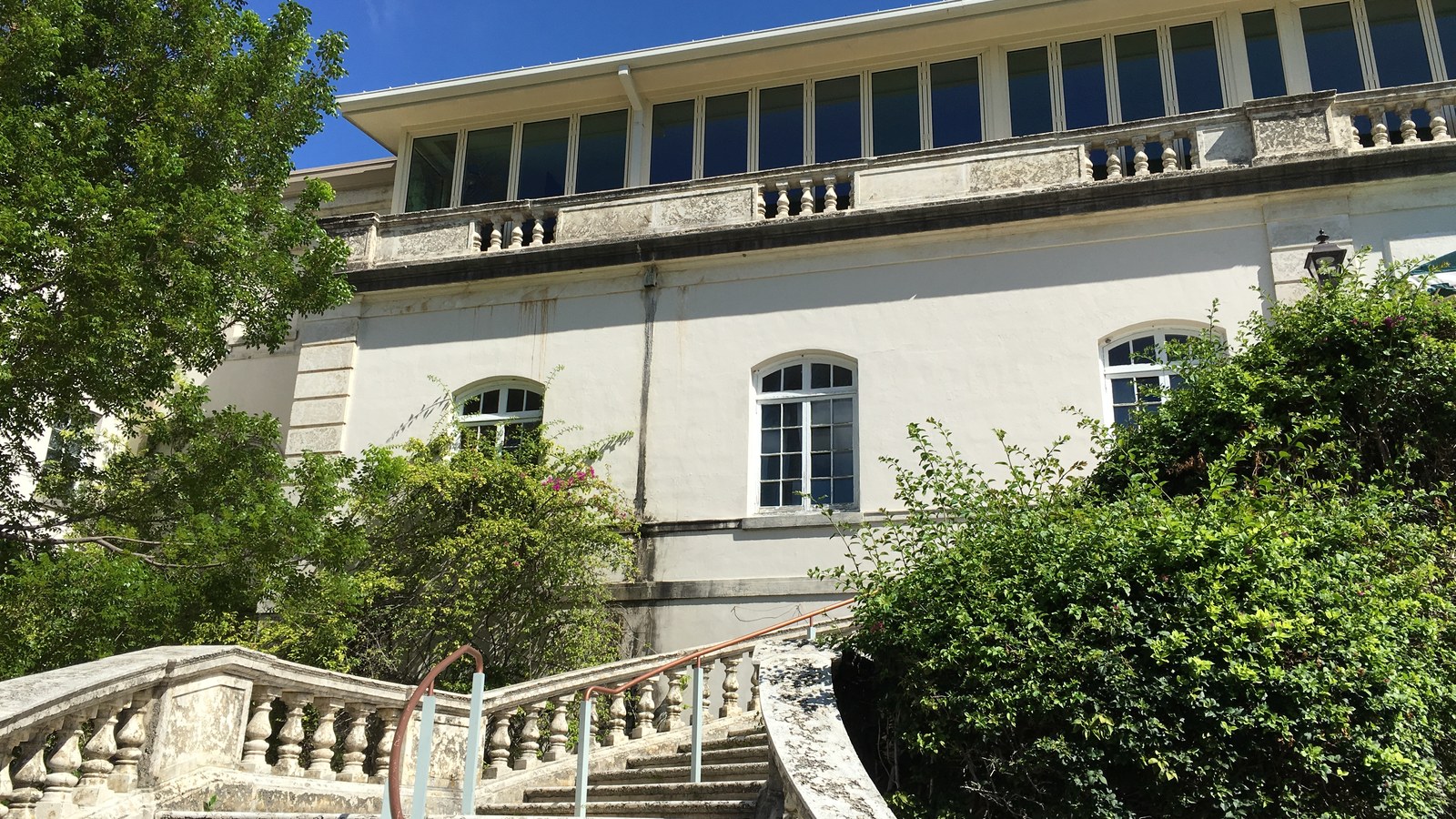
Hialeah was platted in 1921 by aviation pioneer Glenn Curtiss and Missouri cattleman James H. Bright, who were drawn to a stretch of high, dry prairie west of Miami; the city incorporated on September 10, 1925, and quickly built a reputation as an entertainment destination anchored by Hialeah Park Race Track, along with jai alai and greyhound racing (Source). The track’s 1932 Renaissance Revival-style rebuild, after the devastating 1926 hurricane disrupted the city’s early years, made it famous for its landscaped grounds and its flamingo colony — introduced by owner Joseph Widener in the 1930s and still resident today — and the track has been listed on the National Register of Historic Places since 1979 (Source).
The city’s defining turning point came after 1959: Cuban exiles fleeing the revolution settled in Hialeah in huge numbers, arriving alongside a mid-century wave of manufacturing and textile jobs that peaked in the 1970s and 80s, and together they turned what Curtiss and Bright had envisioned as an elite winter playground into a working- and middle-class immigrant enclave that historians have called “the most economically successful immigrant enclave in U.S. history” (Source). That demographic shift compounded over decades: the Hispanic share of Hialeah’s population rose from 74.3% in 1980 to 94% by 2020, and today 84.1% of residents identify as Cuban or Cuban-American — the highest share of any city in the United States — with 89.5% of residents speaking Spanish at home as of 2023 (Source).
Hialeah has grown from 1,500 residents in 1925 to 223,109 at the 2020 Census (a 2023 estimate put it at 221,300), making it Florida’s sixth-largest city and Miami-Dade County’s second-largest after Miami itself — genuinely a major city, not a small suburb (Source). Its economic identity has kept shifting: the manufacturing and textile base that defined the mid-20th century has given way to electronics, logistics, and light industry, while Hialeah Park itself reopened as a casino and Quarter Horse track in 2013 after more than a decade dark, restoring one of the city’s signature landmarks to daily use (Source).
Home values in Hialeah
Hialeah’s median sale price was $514,720 over the three months ending June 2026 — the most recent figure available at research time, slightly older than other cities’ August data — up 7.2% year-over-year, with the median price per square foot at $308, down 6.7% year-over-year (Source). That’s well below the broader Miami metro’s Zillow Home Value Index of $580,866 as of August 31, 2026 (up 0.8% year-over-year), and roughly in the same range as, or below, Miami-Dade County’s own countywide median, which Redfin has recently put around $575,000 (Source). Rent runs far cheaper too: RentCafe puts the Hialeah average at $2,223 a month (down 0.3% year-over-year), with studios and one-bedrooms both averaging around $1,955 a month — though the one-bedrooms run considerably larger — and two-bedrooms around $2,386 (Source).
The through-line is real affordability: Hialeah’s housing stock leans heavily toward single-family homes and small multifamily buildings rather than high-rise condo towers, a genuine, distinguishing reason it runs cheaper than most of the rest of Miami-Dade County. Where Hialeah does have older condo and co-op buildings, Florida’s post-Surfside SB 4-D law still applies to them — the statewide milestone-inspection and reserve-funding requirements for condo and co-op buildings three stories and higher kick in regardless of city (Source) — though we could not confirm a reliable count of exactly how many Hialeah buildings that covers, so treat any specific condo building’s assessment history as something to verify directly with its association rather than assume from citywide averages.
Getting around
Hialeah posts a Walk Score of 68 (“Somewhat Walkable”), a Transit Score of 39, and a Bike Score of 51 — helped by roughly 3 bus lines and 2 rail lines running through the city, more direct transit infrastructure than most Miami-Dade suburbs of its size (Source).
Hialeah FAQ
How walkable is Hialeah?
Hialeah scores a 68 Walk Score (“Somewhat Walkable”) and a 39 Transit Score citywide — higher on both counts than many nearby suburbs, helped by having its own Metrorail stations and several bus lines running through the city (Source).
Is Hialeah at risk of flooding?
Hialeah sits well inland from Biscayne Bay, which limits direct storm-surge exposure, but like most of interior Miami-Dade County it’s flat, low-elevation terrain with canal-fed drainage, so heavy-rain and tropical-storm street flooding is the more realistic day-to-day risk (Source).
Why is housing cheaper in Hialeah than in most of Miami-Dade County?
Hialeah’s median sale price runs well below the countywide median, largely because its housing stock is dominated by single-family homes and small multifamily buildings rather than high-rise condo towers, and because it never built the luxury coastal or downtown-adjacent inventory that pushes up prices elsewhere in the county (Source).
Do you need a car in Hialeah?
For most trips, yes, but Hialeah has real rail options most Miami-Dade suburbs don’t: its own Hialeah and Okeechobee Metrorail stations, plus a Tri-Rail connection at the Okeechobee/Hialeah Market transfer station (Source).
Is Hialeah good for families?
Hialeah is zoned to Miami-Dade County Public Schools like the rest of the county, offers among the most affordable family housing in Miami-Dade, and has a tight-knit, multigenerational Cuban-American community — 84.1% of residents identify as Cuban or Cuban-American, the highest share of any U.S. city, which shapes a genuinely distinct, family-oriented local culture (Source).
What is there to do in Hialeah?
Hialeah Park Race Track and Casino for its historic grounds, flamingo colony, and Quarter Horse racing; the Milander Center for Arts & Entertainment for theater and public events; and a dense concentration of Cuban bakeries, cafeteria-style restaurants, and family-owned businesses that reflect the city’s status as having the highest Cuban-American population share of any U.S. city (Source).
Nearby alternatives*We're not ranking these — every neighborhood has real trade-offs, and which ones matter is up to you.
Miami Lakes
North — a smaller, quieter planned community built around a single Main Street and HOA-governed subdivisions, a very different register from Hialeah's dense, historic, largely Cuban-American urban core.
Doral
Southwest — a newer, more affluent planned city with a large Venezuelan and broader Latin American population, distinct from Hialeah's older, more affordable, longtime Cuban-American character.
See what makes Miami-Fort Lauderdale stand out — verified, named medical, dietary, sports, and other specialty resources you won't find in most metros.
Explore Specialty Resources →