Isle of Palms & Sullivan's Island, SC
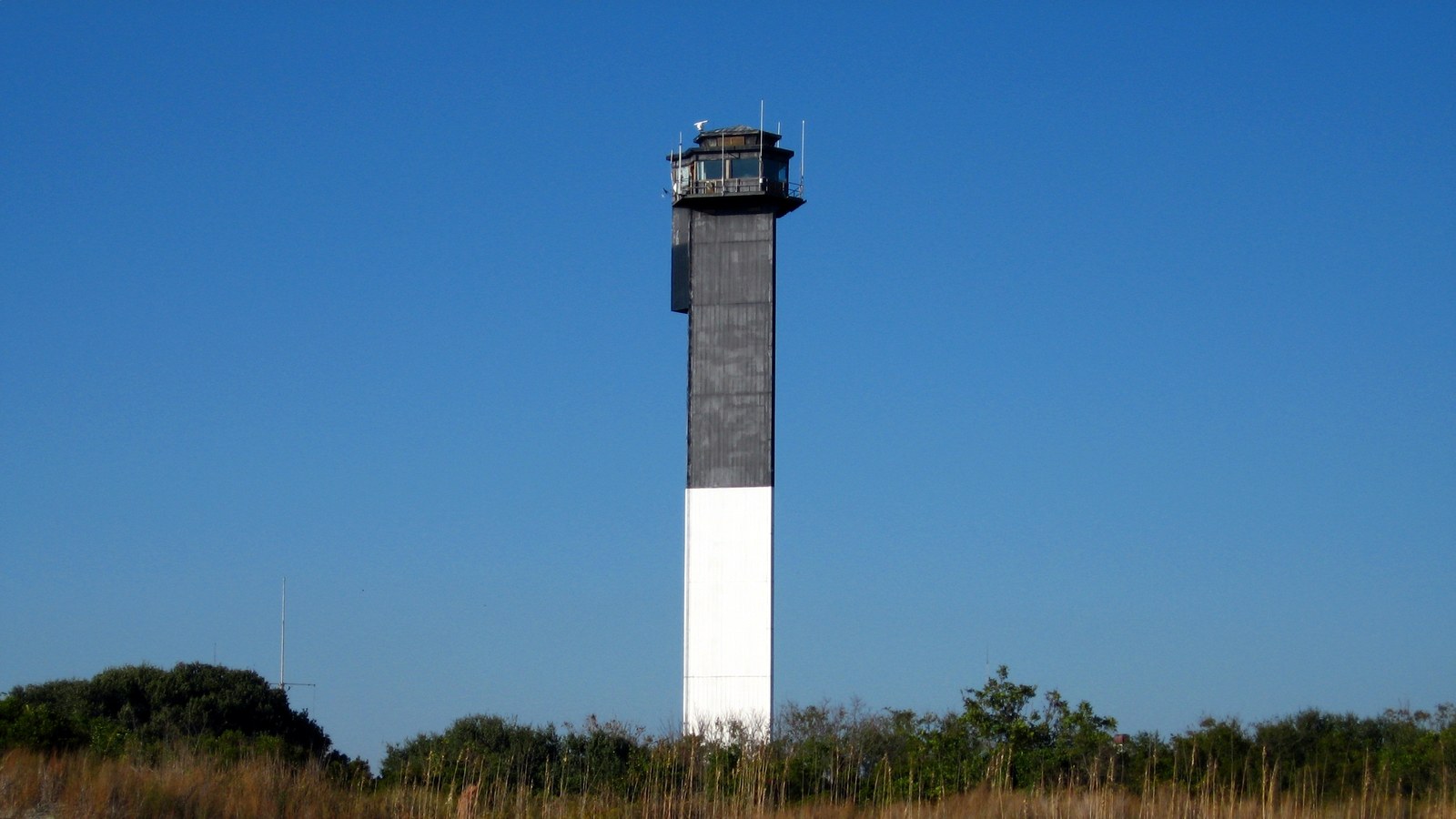

What Isle of Palms & Sullivan's Island are actually like
Sullivan's Island takes its name from Captain Florence O'Sullivan, a 17th-century lighthouse keeper posted there; the town that exists today grew from the merger of two smaller communities, Moultrieville and Atlanticville, into a single municipality (Wikipedia). The island's defining event came on June 28, 1776: a roughly 400-man garrison under Colonel William Moultrie, dug into an unfinished fort built from soft, spongy palmetto logs, held off a nine-ship British fleet that fired more than 7,000 rounds -- including 1,840 shots from the 50-gun HMS Bristol alone. The palmetto absorbed cannonballs rather than splintering, Sergeant William Jasper retrieved the fort's flag after a shot severed the flagstaff mid-battle, and the British withdrew after losing 220 men to the Americans' 37. The fort was renamed Fort Moultrie in the colonel's honor, the victory is still marked every June 28 as Carolina Day, and the fort is now part of the National Park Service's Fort Sumter and Fort Moultrie National Historical Park (American Battlefield Trust, Wikipedia).
Sullivan's Island carries a second, far more serious history. Between 1670 and 1808, Charleston's port received an estimated 150,000-200,000 enslaved Africans across nearly 1,000 recorded ship arrivals -- roughly 40% of all Africans forcibly brought to mainland North America, making Charleston the largest single point of entry on the continent. A portion of those arrivals were held in quarantine at a pest house on Sullivan's Island before being sold in the city. How large a portion is genuinely disputed: the National Park Service states plainly that "how many Middle Passage survivors set foot on Sullivan's Island is unknown," while historian Peter Wood called the island potentially "the Ellis Island of Black America," and a Toni Morrison Society plaque on the island states that nearly half of African Americans have ancestors who passed through it. The honest summary is that Sullivan's Island was a real, documented part of Charleston's much larger slave-trade infrastructure, with the precise scale unresolved rather than invented (Charleston County Public Library, History News Network).
Isle of Palms has a lighter-touch history. First used by the Sewee people, the island was known as Hunting Island and then Long Island before hotelier J.S. Lawrence bought it in 1899 and renamed it Isle of Palms; a 50-room resort hotel opened in 1906, followed by a beach pavilion and amusement park in 1912. The 1929 Grace Memorial Bridge brought automobile access from Mount Pleasant, and after World War II developer J.C. Long built affordable housing for returning veterans across much of the island. The event that most shaped today's building stock and codes was Hurricane Hugo, which made landfall just north of Charleston on September 21, 1989, and drove a storm surge of roughly 15 feet above mean sea level across most of the island. Sea Pines Company's 900-acre Wild Dunes development, begun in 1975 at the island's northeast end, was built before Hugo and rebuilt after it (City of Isle of Palms, Wikipedia).
In today's numbers, Sullivan's Island counted 2,087 residents per the Census Bureau's 2020-2024 population estimate, spread across 2.4-2.5 square miles of land (HomeTownLocator, South Carolina Demographics). Isle of Palms, the larger of the two, counted 4,347 residents at the 2020 Census and an estimated 4,362 as of the Census Bureau's 2020-2024 vintage, across 4.44 square miles of land (Wikipedia, Census Reporter). Both are incorporated municipalities with their own town/city governments, police departments, and building codes rather than unincorporated pieces of Charleston County.
Home values in Isle of Palms & Sullivan's Island
Zillow's own data puts Sullivan's Island's average home value (its Zillow Home Value Index) at $4,621,366 as of August 2026, up 7.5% year-over-year, with a median list price of $4,881,666 -- among the highest anywhere in the Charleston metro (Zillow). Isle of Palms runs lower but still well above the metro median: an average value of $1,718,322 as of July 2026, up 5.8% year-over-year, with a $2,344,667 median list price (Zillow). Neither island publishes a reliable, current town-wide Walk Score the way the Charleston peninsula does; both are low-density, almost entirely single-family barrier islands where a bike or golf cart covers most short trips but a car is still necessary for anything off-island. South Carolina taxes an owner-occupied primary residence at a 4% assessment ratio and everything else -- second homes, rentals, most LLC-owned property, which describes a large share of the inventory on both islands -- at 6%; every property defaults to the 6% rate when it changes hands until a new owner files for the legal-residence exemption (Nat Wallen). That assessed value is then multiplied by the local millage rate rather than a flat statewide percentage; South Carolina's statewide average effective property tax rate on owner-occupied housing is 0.49%, well below the national average (Tax Foundation). Dominion Energy is the electric and gas utility for both islands, the same provider as the rest of the Charleston peninsula and Mount Pleasant (Charleston's Finest). Water and sewer split by town: Sullivan's Island runs its own Water & Sewer Department, which treats its own wastewater but buys drinking water from Charleston Water System through a 24-inch line under the harbor, capped at 750,000 gallons a day (Town of Sullivan's Island); Isle of Palms has run its own independent Isle of Palms Water and Sewer Commission since it was established by city ordinance on July 1, 1992, drawing from two roughly 2,100-foot-deep wells plus a Charleston CPW interconnection (Isle of Palms Water and Sewer Commission).
Evenings and weekends
Neither island runs on downtown Charleston's rhythm -- there's no King Street-scale strip on either one, and most of what fills an evening or a weekend here is the beach itself, plus Fort Moultrie's grounds on Sullivan's Island, now part of the National Park Service's Fort Sumter and Fort Moultrie National Historical Park and open to the public year-round (Wikipedia). Isle of Palms' commercial center of gravity sits at the Wild Dunes end of the island, the 900-acre resort community Sea Pines Company began developing in 1975, rebuilt after Hurricane Hugo, and still the island's largest concentration of resort amenities (City of Isle of Palms). Both towns are quiet, low-rise, and seasonal by design -- their own zoning is built around protecting single-family beach character rather than adding density or nightlife, which is a genuine trade-off against downtown Charleston's walkable commercial corridors, not an oversight.
Getting around
Both islands are reached only through Mount Pleasant, and only by car or bike -- there's no fixed-route public transit onto either island documented by the towns themselves. Sullivan's Island connects to the mainland via the Ben Sawyer Bridge; Isle of Palms connects via the separate IOP Connector; and a short bridge over Breach Inlet links the two islands directly to each other (Wikipedia, Island Realty). Isle of Palms sits about 15 miles by road from downtown Charleston; Sullivan's Island, the inner of the two islands, is a few miles closer along the same Ben Sawyer Bridge/Coleman Blvd/Arthur Ravenel Jr. Bridge route through Mount Pleasant (Wikipedia). The nearest hospital for both islands is Novant Health East Cooper Medical Center at 2000 Hospital Dr in Mount Pleasant, which joined the Novant Health system in February 2024 after operating for years under Tenet Health (Novant Health). During a hurricane evacuation, both towns close island access at the Breach Inlet bridge and the IOP Connector to all but emergency vehicles, and Mount Pleasant's own causeways become the region's main evacuation chokepoint (Island Realty).
Isle of Palms & Sullivan's Island FAQ
Is Isle of Palms or Sullivan's Island a good place to live?
Both are small, expensive, mostly single-family beach towns rather than full-service suburbs -- Sullivan's Island counted 2,087 residents and Isle of Palms 4,362 residents per the Census Bureau's 2020-2024 estimate. They work well for people who want direct ocean access and don't mind driving into Mount Pleasant for most errands; confirm flood-zone status and flood-insurance cost for a specific address before buying, since both vary block to block on a barrier island.
What happened at the Battle of Sullivan's Island in 1776?
On June 28, 1776, Colonel William Moultrie's roughly 400-man garrison defended the unfinished, palmetto-log Fort Sullivan against a nine-ship British fleet that fired more than 7,000 rounds. The soft palmetto absorbed the cannonballs instead of splintering; the British lost 220 men to the Americans' 37, and the fort was renamed Fort Moultrie in his honor. The date is still marked every year as Carolina Day.
Did enslaved Africans really pass through Sullivan's Island?
Yes, though the exact number is disputed. Charleston's port received an estimated 150,000-200,000 enslaved Africans between 1670 and 1808 -- about 40% of all Africans brought to mainland North America -- and a portion were held in quarantine at a pest house on Sullivan's Island before sale. The National Park Service says the precise number who set foot on the island isn't known, but historian Peter Wood called it "the Ellis Island of Black America."
Do Isle of Palms and Sullivan's Island flood?
Yes -- both are barrier islands with FEMA A and V flood zones covering most of their land area. Isle of Palms saw a 15-foot storm surge during Hurricane Hugo in 1989, and the city says the island "drains very poorly" even in an ordinary heavy rain; Sullivan's Island has the same problem whenever rain falls during high tide. Check FEMA's Flood Map Service Center for a specific address.
How much do homes cost on Isle of Palms and Sullivan's Island?
Sullivan's Island is the pricier of the two -- Zillow put its average home value at $4,621,366 as of August 2026, up 7.5% year-over-year. Isle of Palms averaged $1,718,322 as of July 2026, up 5.8%. Both run well above the Charleston metro median.
How do you get to Isle of Palms and Sullivan's Island?
By car, through Mount Pleasant. Sullivan's Island connects to the mainland via the Ben Sawyer Bridge, Isle of Palms connects via the separate IOP Connector, and a short bridge over Breach Inlet links the two islands to each other. Isle of Palms is about 15 miles by road from downtown Charleston.
Nearby alternatives*We're not ranking these — every place has real trade-offs, and which ones matter is up to you.
Mount Pleasant
The mainland town both islands connect through -- the metro's largest and most affluent suburb, with its own Old Village and Shem Creek waterfront, plus the hospital and schools both islands rely on.
Daniel Island
A planned community on a reclaimed island between the Cooper and Wando Rivers -- newer, denser, and inland rather than oceanfront, with Credit One Stadium and a growing corporate-office base.
Downtown Charleston
The historic peninsula across the harbor -- walkable, urban, and studied for tidal flooding rather than storm surge, with Rainbow Row and the Charleston City Market.
Compare Isle of Palms & Sullivan's Island to these side by side →
See what makes Charleston stand out — verified, named medical, dietary, sports, and other specialty resources you won't find in most metros.
Explore Specialty Resources →