Edmond, OK

What Edmond is actually like
Edmond exists because of a single day. The town “sprang up overnight during the great Oklahoma land run on April 22, 1889,” with its railroad station named for Edmond Burdick, a traveling freight agent for the Santa Fe line. The community moved fast even by land-run standards: Oklahoma Territory's first public schoolhouse was completed there that August, and Gower Cemetery, also dating to 1889, was added to the National Register of Historic Places in 2000 (Wikipedia).
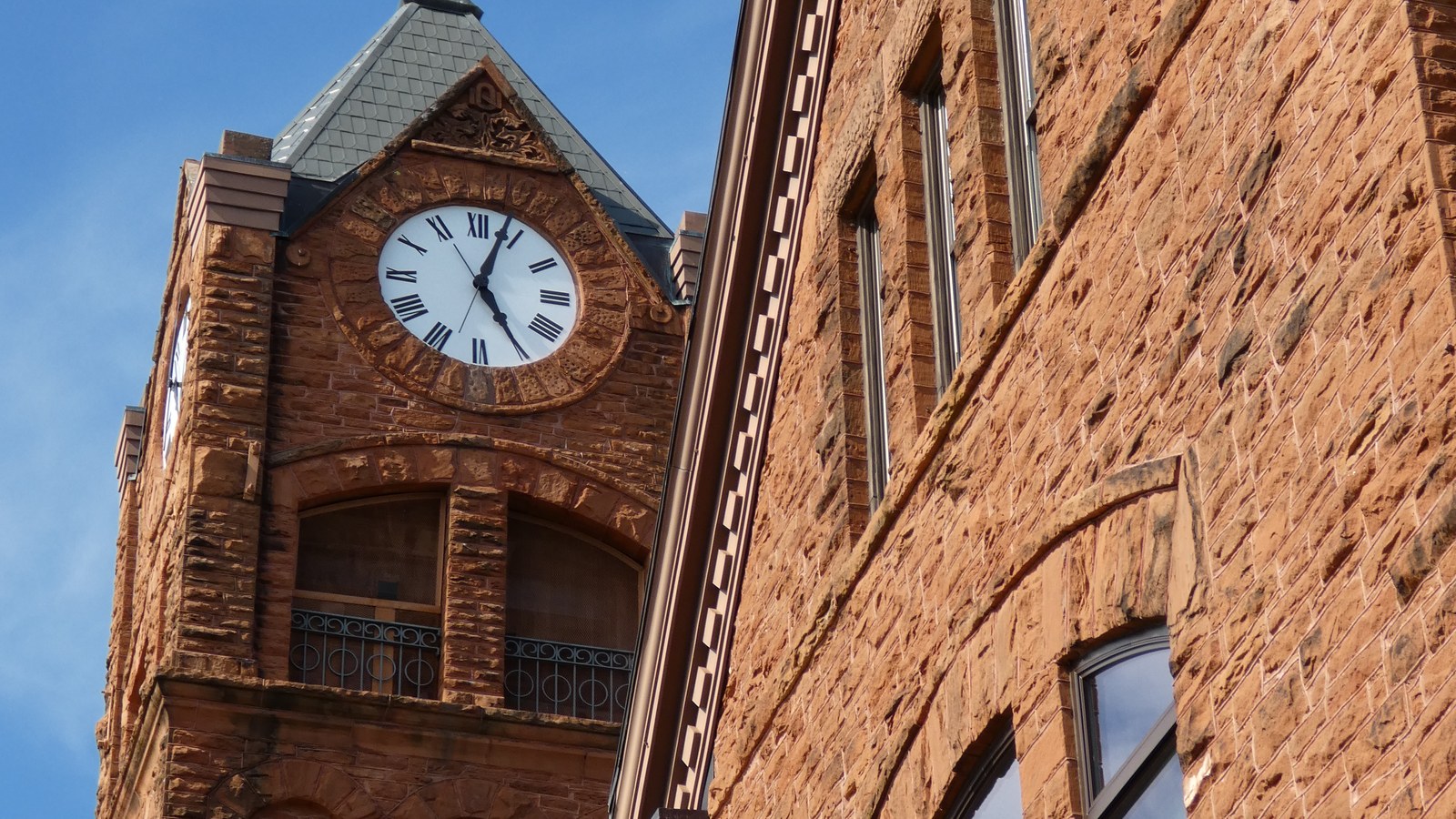
Higher education arrived within two years. The Territorial Normal School was established December 24, 1890, held its first classes November 9, 1891, and opened its now-iconic Old North building on January 2, 1893 — the school that grew into the University of Central Oklahoma, which enrolled 12,382 students (10,824 undergraduate, 1,562 graduate) as of fall 2025 across 120-plus undergraduate majors and two doctoral programs (Wikipedia). Oklahoma Christian University also sits in Edmond, giving the city two universities rather than the single-school identity most Oklahoma college towns have. The city runs its own electric utility, too: Edmond Electric, “Oklahoma's largest community-owned electric utility,” has operated as a city department since 1908 and serves more than 90,000 residents within Edmond's corporate limits, with profits funding police, fire, streets, and parks rather than shareholder returns (City of Edmond).
Edmond's population reached an estimated 100,479 as of July 1, 2025, up 6.4% since the 2020 Census, with a median household income of $103,183 (U.S. Census Bureau). The city's incorporated limits sit entirely within Oklahoma County — despite a common assumption that Edmond spills into neighboring Logan County, its own city council has explicitly framed growth just north of the city line as being “outside the city limits” and “into Logan County,” including a 2024 vote rejecting a wastewater-service agreement that would have reached into that unincorporated Logan County growth corridor (NonDoc). 24/7 Wall Street named Edmond to its list of America's 50 best cities to live, and the city cites a violent- and property-crime rate that's the lowest among Oklahoma's 10 largest cities (Greater Oklahoma City Economic Development). None of that changes the region's headline hazard: Edmond “is subject to frequent and severe tornadoes and hailstorms, and is in Tornado Alley” (Wikipedia).
Home values in Edmond
Zillow's Home Value Index for Edmond was $355,447 as of August 31, 2026, up 0.8% year-over-year (Zillow). The Census Bureau's separately measured American Community Survey median home value (2020–2024, owner-estimated rather than index-based) was $351,400, a close but not identical figure (U.S. Census Bureau). Unlike the no-income-tax framing that applies in Texas or Florida markets, Oklahoma runs a genuine state income tax, topping out at a 4.5% marginal rate for both individuals and corporations, though a 2025 law sets triggers to lower that rate further, and eventually toward elimination, as state revenue grows. Property taxes work differently still: the Oklahoma Constitution has barred state-level property taxation since 1933, so ad valorem tax here is assessed and collected entirely at the county level by the Oklahoma County Assessor rather than set by any statewide rate, and the state sales tax runs 4.5% (Wikipedia). Confirm current millage and any homestead exemption directly with the Oklahoma County Assessor for a specific address before budgeting a tax bill.
Getting around
A 29 Walk Score is a genuinely car-dependent number, and Edmond has no EMBARK fixed-route service of its own — the metro transit authority's routes stop at Oklahoma City and Norman. The University of Central Oklahoma campus and the Downtown Edmond/Broadway core are more walkable pockets within the city, but getting between them, or to downtown Oklahoma City 13 miles south, means a car for most residents.
Edmond FAQ
Is Edmond walkable?
Not especially -- Walk Score puts Edmond at 29 out of 100 (“Car-Dependent”) among the state's largest cities. The UCO campus and Downtown Edmond are more walkable pockets, but a car is standard for most trips.
What county is Edmond in?
Edmond's incorporated city limits sit entirely within Oklahoma County. The city's own growth corridor and some unincorporated development pressure extend north into neighboring Logan County, which is why the two counties sometimes get confused, but Edmond itself isn't split between them.
Is Edmond a college town?
Yes, and with two schools: the University of Central Oklahoma, enrolling 12,382 students as of fall 2025, traces back to a Territorial Normal School founded in 1890, and Oklahoma Christian University also has its campus in Edmond.
Does Edmond get tornadoes?
Yes -- Edmond sits in Tornado Alley and is subject to frequent, sometimes severe tornadoes and hailstorms, part of a statewide average of roughly 62 tornadoes a year concentrated in the April-through-June severe weather season. Flood risk, by contrast, is limited mostly to the shorelines of Arcadia Lake and Twin Bridges Lake.
Who lives in Edmond?
Edmond's population was an estimated 100,479 as of mid-2025, up 6.4% since the 2020 Census, with a median household income of $103,183 -- an affluent, growing suburb that 24/7 Wall Street has named to its list of America's 50 best cities to live.
What is Edmond Electric?
Edmond Electric is the city's own municipally-owned power utility, running as a city department since 1908 and serving more than 90,000 residents within city limits. Profits fund city services like police, fire, streets, and parks rather than going to outside shareholders.
Nearby alternatives*We're not ranking these — every place has real trade-offs, and which ones matter is up to you.
Nichols Hills Enclaves
South via Western Avenue or May Avenue -- four small, fully OKC-enclosed cities (Nichols Hills, The Village, Warr Acres, and Bethany) with a much older housing stock and, in Nichols Hills' case, home values several times Edmond's own.
Uptown 23Rd Western Avenue
Further south, just north of downtown Oklahoma City -- a walkable shopping and dining corridor along NW 23rd Street and Western Avenue, a different pace entirely from Edmond's car-first suburban layout.
See what makes Oklahoma City stand out — verified, named medical, dietary, sports, and other specialty resources you won't find in most metros.
Explore Specialty Resources →