North Miami, FL
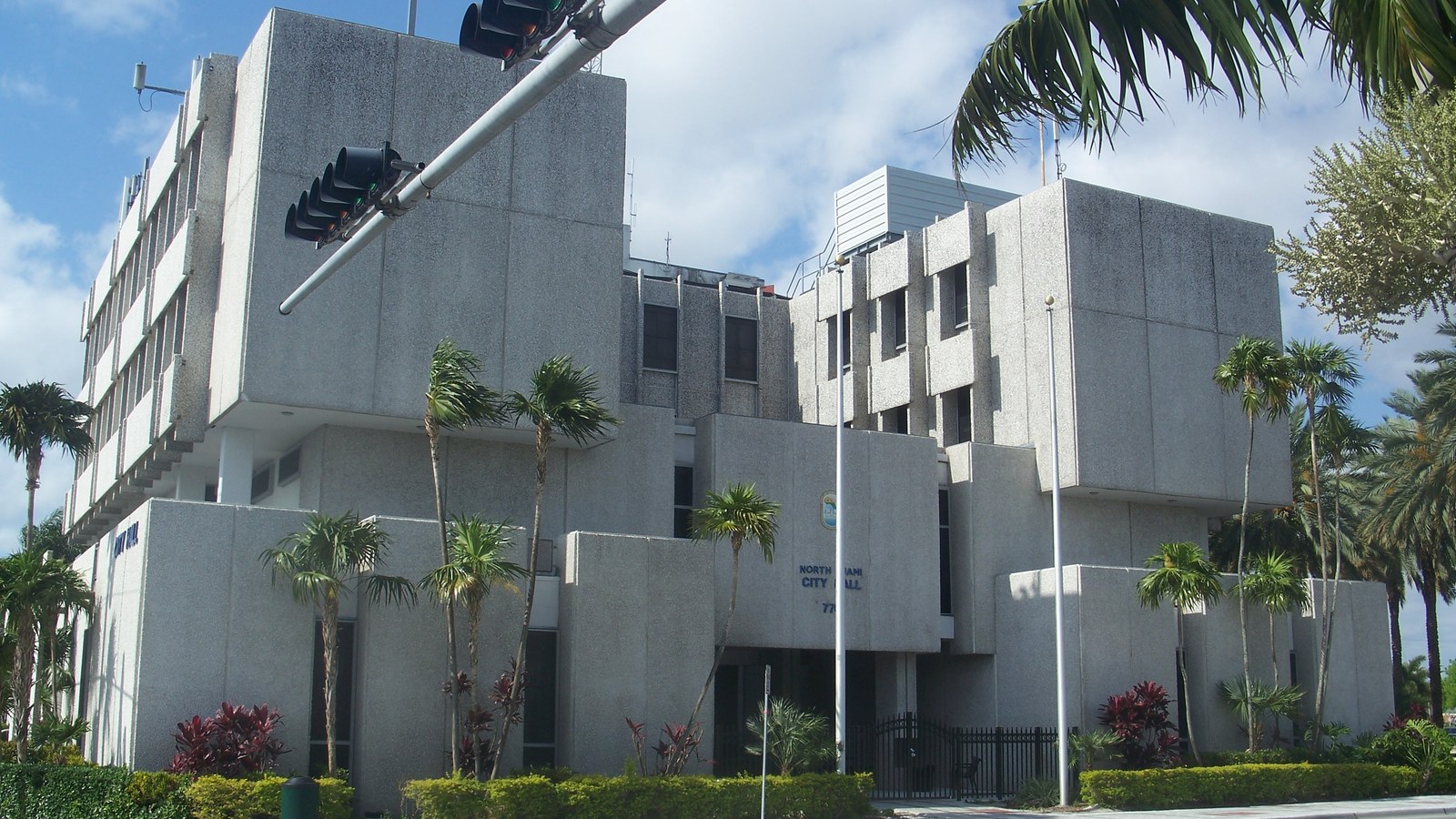

What North Miami is actually like
The area now called North Miami was first settled around 1890 as the community of Arch Creek, incorporated in 1926 as the Town of Miami Shores, and renamed the Town of North Miami in 1931 after the separate town of Miami Shores split off to the south. It reached city status on May 27, 1953 (Wikipedia).
North Miami’s population grew quickly through the mid-20th century, from under 2,000 residents in 1940 to more than 10,000 by 1950, and over the following decades the city became one of the largest Haitian-American population centers in the country — residents have elected a series of Haitian-American mayors, including Josaphat Celestin in 2001, André Pierre in 2009, Lucie Tondreau in 2013, and Smith Joseph in 2014 (Wikipedia). As of the 2020 Census the city was 51.7% Black and 33.8% Hispanic or Latino, reflecting that broader wave of Haitian, Caribbean, and Latin American settlement (Wikipedia).
The city’s population has held fairly steady in recent decades — 59,880 at the 2000 Census and 60,191 in 2020 — even as the surrounding region has grown rapidly (Wikipedia). The most visible recent change is SoLé Mia, a large mixed-use development of apartments, condo towers, shops, and a lagoon built on former quarry land, which has added thousands of new residential units and, with them, UHealth’s largest outpatient medical center, directly in the city (The Real Deal; UM Health).
Home values in North Miami
Redfin’s most recently published figures show North Miami’s median sale price at $490,000 (as of March 2024, up 36.1% year-over-year at the time), or about $322 per square foot — Redfin’s city-level data updates less frequently for a market this size than for larger cities, so treat this as directional rather than current-month (Redfin). For context, Zillow’s broader Miami-metro home value index stood at $580,866 as of August 31, 2026, up 0.8% year-over-year (Zillow). Renters pay more here than in Homestead: RentCafe puts North Miami’s average apartment rent at $2,419 a month as of late August 2026, with studios averaging $1,872, one-bedrooms $2,098, and two-bedrooms $2,783 (RentCafe). Even so, North Miami remains more affordable than Miami’s waterfront and financial-district neighborhoods covered elsewhere in this guide. Its housing stock mixes single-family blocks with a growing number of condo and apartment towers, especially around SoLé Mia and the Biscayne Bay waterfront, so buyers looking specifically at older bayfront condo buildings should factor in Florida’s post-Surfside SB 4-D milestone-inspection requirements and the special assessments they can trigger — it’s a much smaller factor in the inland single-family neighborhoods that make up most of the city.
Getting around
Walk Score rates North Miami 61 (somewhat walkable), with a Transit Score of 43 and a Bike Score of 53 — notably more walkable and transit-friendly than most of Miami-Dade’s suburbs, if still short of the urban core (Walk Score).
North Miami FAQ
Is North Miami walkable?
More than most Miami-Dade suburbs: Walk Score rates it 61 out of 100, meaning some errands can be done on foot, especially around Downtown North Miami and near FIU’s Biscayne Bay Campus (Walk Score).
Does North Miami flood?
It sits along Biscayne Bay, so parts of the city face coastal tidal and storm-surge risk, while other, more inland areas see the typical South Florida stormwater flooding that comes with heavy rain. Check the flood zone for any specific address before buying.
Is North Miami affordable?
It runs cheaper than Miami’s coastal core and financial district, though pricier than inland Miami-Dade suburbs like Homestead — RentCafe puts the average rent at $2,419/month, and Redfin’s most recently recorded median sale price was $490,000 (RentCafe).
Do I need a car in North Miami?
Mostly, yes, though it’s more transit- and walk-friendly than many Miami-Dade suburbs; the city’s free NoMi Express shuttle and Metrobus routes connect to Metrorail stations a few miles away.
Is North Miami good for families?
It has a mix of established single-family neighborhoods and newer developments like SoLé Mia with parks and family amenities, Miami-Dade County Public Schools throughout, and Enchanted Forest Elaine Gordon Park and FIU’s Biscayne Bay campus add to the local family and education options.
What is there to do in North Miami?
The Museum of Contemporary Art (MOCA) North Miami is one of the region’s notable contemporary art museums, Enchanted Forest Elaine Gordon Park protects a rare stretch of tropical hardwood hammock, and SoLé Mia’s lagoon, shops, and restaurants are a newer draw, alongside Oleta River State Park just over the city line (Wikipedia).
Nearby alternatives*We're not ranking these — every neighborhood has real trade-offs, and which ones matter is up to you.
North Miami Beach
East — despite the similar name, its own separate incorporated city, with a newer, more architecturally mixed housing stock than North Miami's older mid-century streets.
Aventura
North — a newer, much more expensive luxury high-rise condo corridor, a different housing stock and price point from North Miami's older, more affordable single-family and mid-rise streets.
See what makes Miami-Fort Lauderdale stand out — verified, named medical, dietary, sports, and other specialty resources you won't find in most metros.
Explore Specialty Resources →