New Braunfels, TX
.jpg)
What New Braunfels is actually like
New Braunfels was founded in 1845 by Prince Carl of Solms-Braunfels, commissioner general of the Adelsverein, a society organizing mass German emigration to the Republic of Texas. Settlers crossed the Guadalupe River on March 21, 1845, to establish the town, which Prince Carl named after his hometown in Germany. The settlement grew explosively for a young Texas town -- by 1850 it was already the state's fourth-largest city, with 1,723 residents, thanks to continued waves of German immigration.
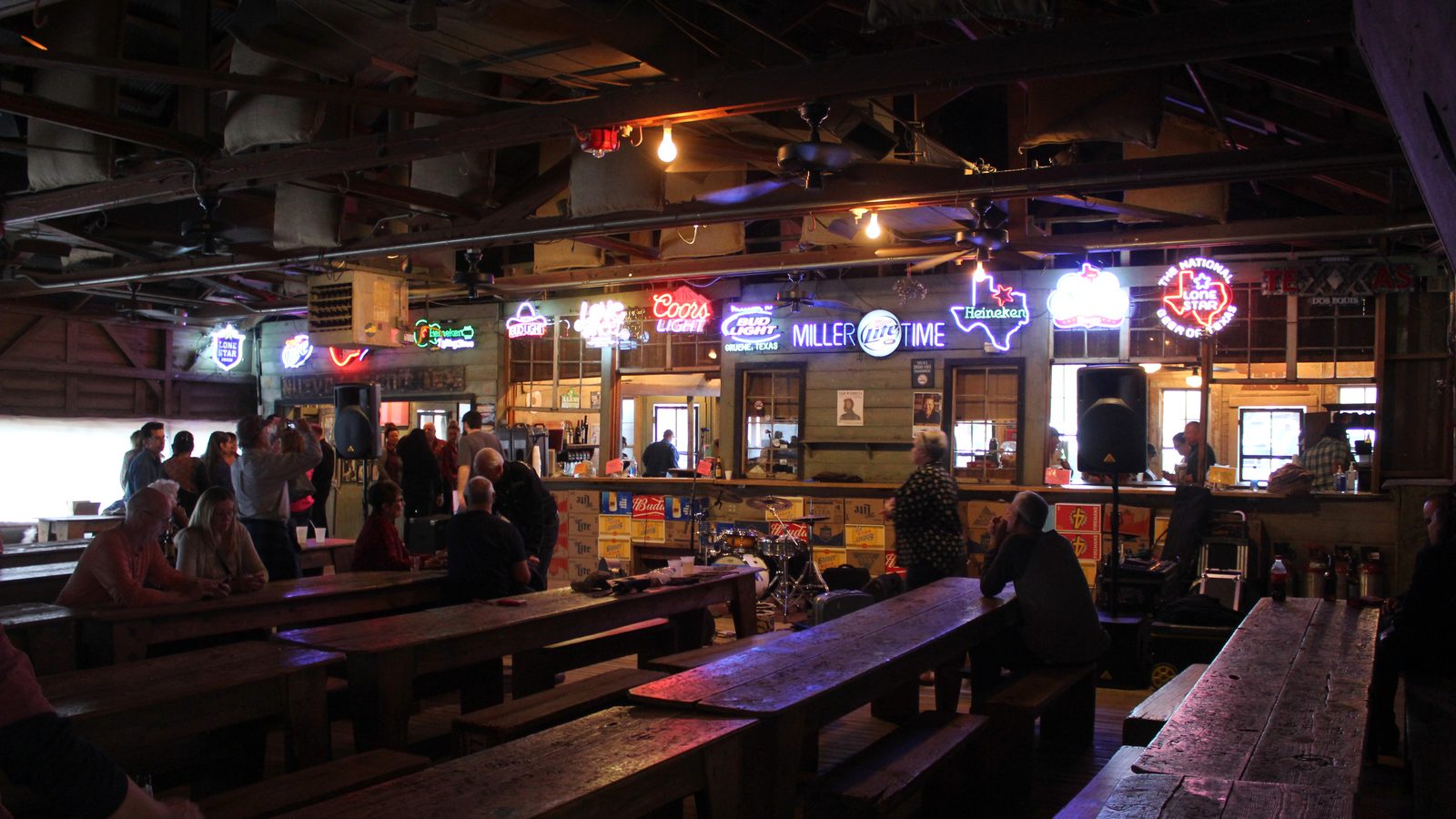
The city's identity has long been built around its two rivers -- the spring-fed Comal, one of the shortest rivers in the world at about 3 miles, and the larger Guadalupe, which flows through and past town. Both have made New Braunfels a major recreational tubing destination for generations of Texans, a culture centered on Landa Park and the historic Gruene district just upriver, while the city's German heritage remains visible at institutions like the Sophienburg Museum and the annual Wurstfest festival each November.
New Braunfels is now one of the fastest-growing cities in the United States, not just Texas -- ranked third-fastest-growing nationally from 2010 to 2020, with population climbing from roughly 90,400 at the 2020 Census to an estimated 116,500 by 2024. That growth has reshaped the city from a tourist town into a genuine bedroom community pulling commuters from both San Antonio and Austin, thanks to its almost-exact midpoint location on I-35 -- while the historic core, rivers, and festival culture remain very much intact underneath the new subdivisions.
Home values in New Braunfels
Zillow tracks home values city-by-city, not for every neighborhood within a city — New Braunfels is one of the pockets that doesn't get its own figure. Rather than publish a citywide number that might not reflect this specific part of town, we're leaving pricing out of this particular guide for now.
See what makes San Antonio stand out — verified, named medical, dietary, sports, and other specialty resources you won't find in most metros.
Explore Specialty Resources →New Braunfels FAQ
Is New Braunfels closer to San Antonio or Austin?
San Antonio -- about 32 miles, roughly 40 minutes via I-35 non-stop. Austin is roughly 48 miles away by the same interstate. New Braunfels sits close to the midpoint, which is a big part of why it's grown so fast as a commuter option for people working in either metro.
Is there public transit to San Antonio?
No fixed-route regional transit connects New Braunfels to San Antonio -- VIA's service area is Bexar County only. New Braunfels launched its own local on-demand microtransit service, "Ride the Rio!," in November 2025, but it's a city-only service, not a commuter connection. Plan on driving.
How real is the flood risk from living near the rivers?
Real and well-documented, not hypothetical. New Braunfels sits directly on the Comal and Guadalupe Rivers, with a genuine history of serious flash flooding, including major floods in 1998 and 2002. The catastrophic July 2025 Central Texas floods caused massive loss of life, but that was concentrated far upstream in Kerr County -- Comal County still saw a flash flood emergency, river closures, and evacuations. Check a specific property's FEMA flood zone before buying.
Which school district will my kids be in?
Depends on the exact address. New Braunfels ISD covers most of the city's core, while the much larger Comal ISD also covers portions of the city, especially newer developments. Check the property against both districts' maps.
What's it like living near the tubing and tourism scene?
New Braunfels is genuinely a tourist town, not just a suburb with some attractions -- the rivers draw heavy seasonal crowds, Schlitterbahn is a major destination, and Wurstfest each November is a citywide event. It's also increasingly its own thing rather than simply a San Antonio suburb, with its own identity, historic core, and now its own local transit service, even as it functions as a bedroom community for both San Antonio and Austin commuters.