College Park, FL

What College Park is actually like
College Park takes its name from streets platted after American colleges and universities. Developer Walter W. Rose began the practice in 1921 with his Rosemere subdivision, naming streets Princeton, Harvard, Yale, Cornell, Vanderbilt, DePauw and Amherst. In February 1925 the Cooper-Atha-Barr Company (CABCO) filed the first of what became nine College Park subdivision plats on land extending from present-day Edgewater Drive east toward Lake Ivanhoe, extending Rose's college-street pattern. The 1920s Florida land boom drove rapid platting -- Rosemere (1921), Dubsdread (1923), Edgewater Heights and Anderson Park (1924) -- before the boom collapsed after the 1926 Miami hurricane and the Great Depression slowed construction through the 1930s.
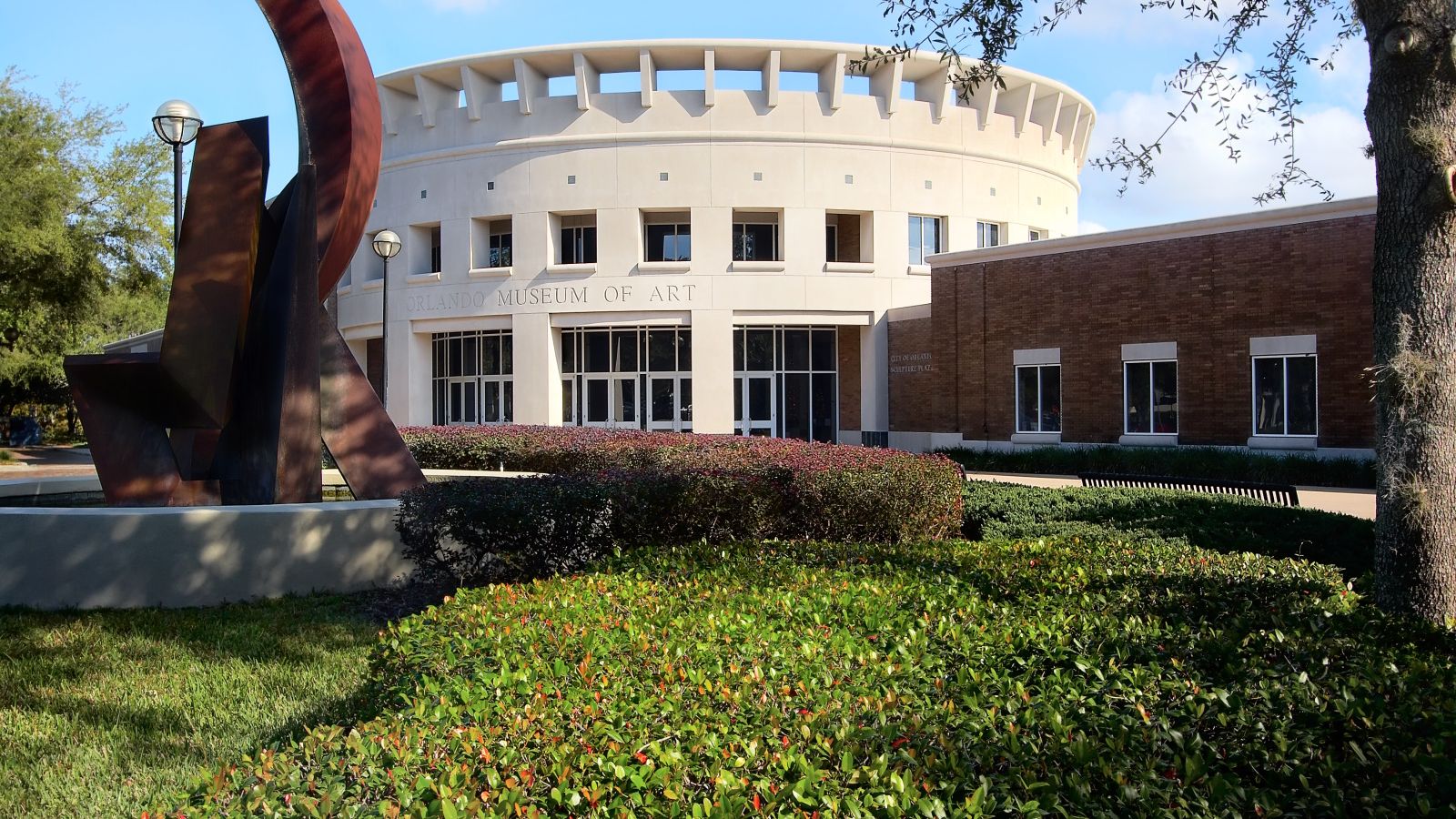
Two things most shaped College Park's present character: its cluster of lakes and the Loch Haven Park cultural campus that grew up on one of them starting in 1960. The Orlando Art Association (founded 1924) built a new gallery on Lake Formosa in 1960 and was renamed the Loch Haven Art Center, the same year the Central Florida Museum (incorporated 1955) opened on the adjacent site; those two institutions became today's Orlando Museum of Art and Orlando Science Center, later joined by the Orlando Shakespeare Theater (1989) and the Mennello Museum of American Art (1998). Edgewater Drive, widened to four lanes in 1957, developed in parallel as the neighborhood's commercial spine, and Interstate 4's completion in 1965 gave College Park direct highway access into Downtown Orlando.
College Park is not itself a Census-designated place, so population figures depend on which boundary is used: the U.S. Census Bureau's 2019-2023 American Community Survey 5-year estimates put the population of a tightly-drawn College Park neighborhood polygon at roughly 8,184 with a median household income around $113,200, while the same Census data pulled for ZIP code 32804 (a larger area extending beyond the historic neighborhood) shows about 21,076 residents with a median household income near $113,466.
Home values in College Park
Zillow tracks home values city-by-city, not for every neighborhood within a city — College Park is one of the pockets that doesn't get its own figure. Rather than publish a citywide number that might not reflect this specific part of town, we're leaving pricing out of this particular guide for now.
College Park FAQ
How far is College Park from Downtown Orlando?
About 5 to 10 minutes by car, roughly 2 to 3 miles, mainly via Orange Avenue or Interstate 4, which has interchange access near Par Street and Princeton Street on College Park's eastern edge.
Does College Park flood?
Streets around Lake Ivanhoe, Lake Adair, and Lake Silver saw significant flooding during Hurricane Ian in September 2022, when Orange County got 10 to 16 inches of rain in a short period; that was an extreme storm rather than a routine occurrence, but it shows lakeside blocks can be affected. Check FEMA flood zone maps for any specific address before buying.
What are the streets named after in College Park?
Many are named for American colleges and universities -- Princeton, Harvard, Yale, Dartmouth, Cornell, Amherst and Stetson among them -- a naming pattern developer Walter Rose started in 1921 and the Cooper-Atha-Barr Company (CABCO) extended when it platted the core College Park subdivisions starting in February 1925.
What schools serve College Park?
College Park falls within Orange County Public Schools (OCPS); commonly cited zoned schools include Lake Silver Elementary, College Park Middle School, and Edgewater High School (opened 1952, on Edgewater Drive). Exact attendance zones depend on the specific address, so confirm current boundaries with OCPS.
What is there to do in College Park without leaving the neighborhood?
Edgewater Drive has roughly a mile of independent restaurants and boutiques within walking distance of most homes. Loch Haven Park, on the neighborhood's eastern edge, holds the Orlando Museum of Art, Orlando Science Center, Orlando Shakespeare Theater, and Mennello Museum of American Art, and the city-owned Dubsdread Golf Course (opened 1924) sits within the neighborhood as well.