Reynoldsburg, OH
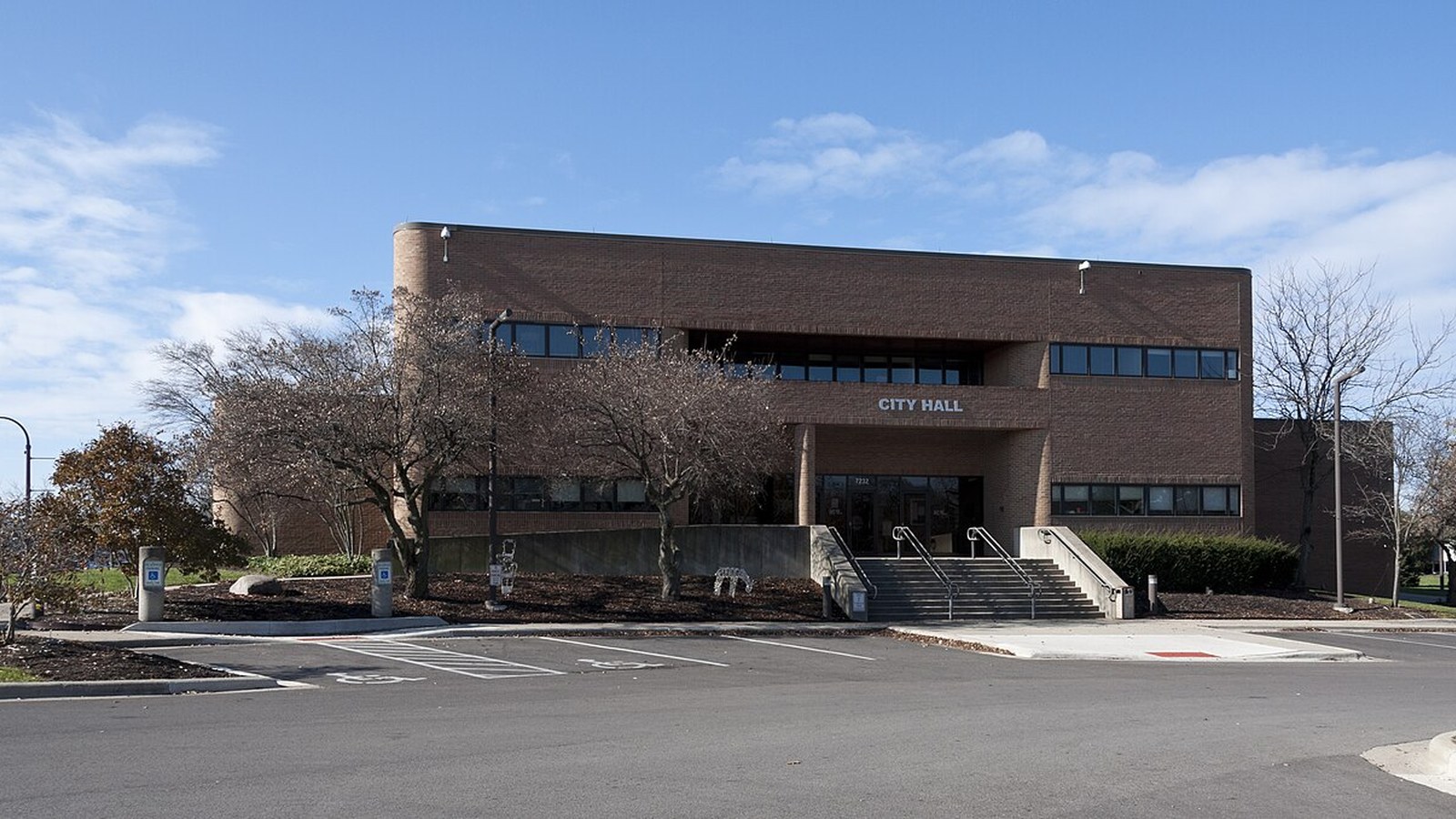

What Reynoldsburg is actually like
Reynoldsburg traces to 1802, when James and Margaret Crawford settled the area; the community was platted as Frenchtown in 1831 before a post office established in 1833 was named for local merchant James C. Reynolds, and the town formally took the Reynoldsburg name in 1893 (Wikipedia). It incorporated on March 16, 1839, and reached city status in 1960 (Wikipedia).
Reynoldsburg's defining civic identity comes from Alexander W. Livingston, a local seedsman who in 1870 introduced the “Paragon” tomato, generally credited as the first tomato variety bred specifically for commercial cultivation; a 1937 U.S. Department of Agriculture yearbook credited the Livingston family with roughly half of the era's major commercial tomato varieties (City of Reynoldsburg). In 1965, the Franklin County Historical Society recognized Reynoldsburg as the “Home of the Tomato,” and the city has held an annual Tomato Festival every August since (City of Reynoldsburg); the 1864 Livingston House still stands as a museum to that history.
The city today spans three counties — Franklin, Licking and Fairfield (Wikipedia) — with a population of 41,076 at the 2020 census and an estimated 43,350 by 2025 (Wikipedia).
Home values in Reynoldsburg
The typical Reynoldsburg home was worth $287,287 as of January 2026, up 0.6% year-over-year, per the Zillow Home Value Index — among the more affordable typical values covered in this guide.
Evenings and weekends
Reynoldsburg's Tomato Festival each August is the city's marquee weekend event, running since 1965 with a Tomato Festival Queen and events centered on the 1864 Livingston House (City of Reynoldsburg).
Getting around
Reynoldsburg's older core near Main Street has some walkable stretches, but the city's three-county footprint is mostly built around arterial roads like Livingston Avenue and Broad Street, and a car is necessary for most trips.
Reynoldsburg FAQ
Is Reynoldsburg, Ohio a good place to live?
Reynoldsburg offers some of the more affordable typical home values among close-in Columbus suburbs — around $287,000 as of early 2026 — with the tradeoff that the city's footprint spans three counties (Franklin, Licking and Fairfield), which can affect property tax rates and school assignment depending on the exact address.
Why is Reynoldsburg called the birthplace of the tomato?
Local seedsman Alexander W. Livingston introduced the “Paragon” tomato in 1870, widely credited as the first tomato bred specifically for commercial growing; the Franklin County Historical Society recognized the city as the “Home of the Tomato” in 1965, and it has held an annual Tomato Festival every August since.
What counties is Reynoldsburg, Ohio in?
Reynoldsburg spans three counties: Franklin, Licking and Fairfield.
What school district serves Reynoldsburg, Ohio?
Reynoldsburg City Schools, whose single high school operates across two campuses, Livingston and Summit.
How far is Reynoldsburg from downtown Columbus?
About 14 miles, typically a 20-25 minute drive via I-70.
Nearby alternatives*We're not ranking these — every place has real trade-offs, and which ones matter is up to you.
Gahanna
Gahanna borders Reynoldsburg to the north and shares Franklin County's east-side suburban character.
Pickerington
Pickerington sits just southeast of Reynoldsburg and shares its multi-county footprint, straddling Fairfield and Franklin counties.
New Albany
New Albany lies north of Reynoldsburg with substantially higher typical home values.
See what makes Columbus stand out — verified, named medical, dietary, sports, and other specialty resources you won't find in most metros.
Explore Specialty Resources →