Daytona Beach, FL

What Daytona Beach is actually like
The settlement that became Daytona Beach traces to 1870, when Matthias Day Jr., an Ohio businessman, purchased land along the Halifax River and began platting a town site; Day lost the property to financial difficulty within a couple of years, but local residents had already named the community in his honor. The town of Daytona incorporated in 1876. It grew alongside neighboring beachside communities until 1926, when Daytona, Daytona Beach, and Seabreeze consolidated into a single incorporated city under the name Daytona Beach.
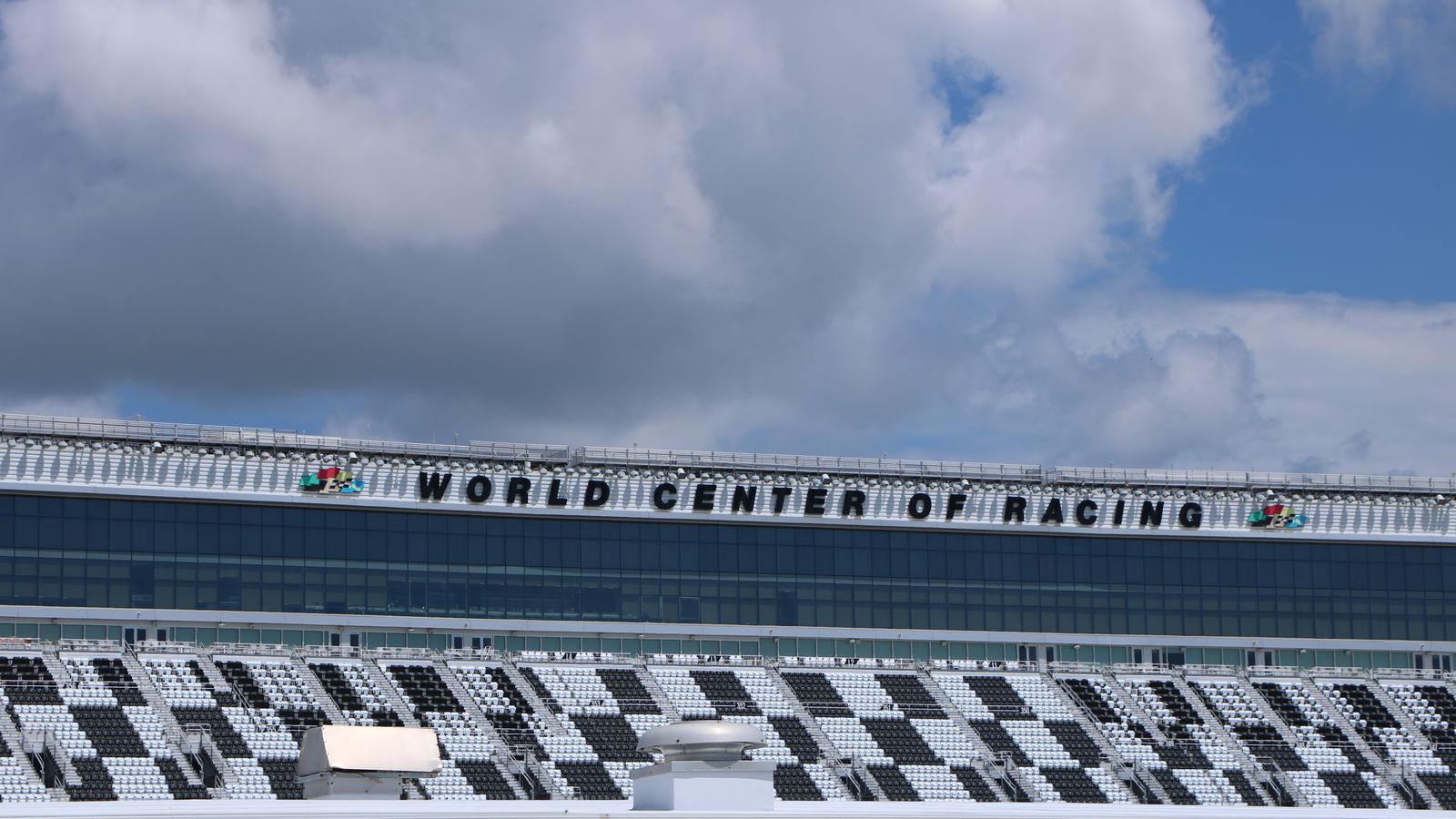
The city's defining physical trait -- 23 miles of hard-packed, unusually firm sand -- turned it into an early automobile proving ground: wealthy motorists including William K. Vanderbilt Jr. and Ransom E. Olds ran speed trials on the beach starting in 1902-1904, and land-speed-record attempts continued there for three decades, ending with Sir Malcolm Campbell's 276.82 mph run on March 7, 1935, after which record attempts moved to Utah's Bonneville Salt Flats. On February 21, 1948, local racing promoter Bill France Sr. organized a meeting at the Streamline Hotel on Daytona Beach's Atlantic Avenue that founded NASCAR. France then built Daytona International Speedway on the city's west side; it opened in 1959, and the first Daytona 500 was run there on February 22, 1959, won by Lee Petty in a photo finish. The Speedway still hosts the season-opening Daytona 500 each February.
The U.S. Census Bureau's most recent population estimate, for July 1, 2025, put Daytona Beach's population at 88,471, up from 72,647 at the April 2020 census -- a roughly 22% increase over five years. Median household income was $52,058 in 2020-2024 dollars, per Census Bureau American Community Survey data. Tourism remains a dominant industry, built around the Speedway, the beach itself, and events including Bike Week and Spring Break traffic each year.
Home values in Daytona Beach
Zillow tracks home values city-by-city, not for every neighborhood within a city — Daytona Beach is one of the pockets that doesn't get its own figure. Rather than publish a citywide number that might not reflect this specific part of town, we're leaving pricing out of this particular guide for now.
Daytona Beach FAQ
Can you actually drive on the beach in Daytona Beach?
Yes, in designated areas and seasons the city and Volusia County still permit vehicle access and parking directly on the sand for a fee, a holdover from the beach's original use as both a road and a racetrack; hours and open sections change seasonally and after storm erosion, so check current county beach-driving rules before planning around it.
How far is Daytona Beach from Orlando for a daily commute?
About 55-57 miles via I-4, roughly a one-hour to one-hour-fifteen-minute drive outside rush hour; there is no direct commuter rail connection, since SunRail's northernmost station is in DeLand, about 25 miles inland from Daytona Beach.
Is Daytona Beach at high risk for hurricane and flood damage?
The beachside is in FEMA-mapped flood zones and has a documented history of storm damage, most recently when Hurricane Nicole in November 2022 left 49 Volusia County beachfront buildings structurally unsafe; risk varies significantly by exact address and elevation, so a FEMA flood zone lookup for the specific property is necessary.
What school district serves Daytona Beach and how big is it?
Volusia County Schools, a single countywide district with roughly 62,750 students and about 90 schools; Mainland High School and Seabreeze High School are the two comprehensive public high schools most associated with Daytona Beach, but exact attendance zones should be confirmed with the district.
Does Daytona Beach get overrun by tourists, and does that affect year-round living?
Tourism is a dominant industry and the Speedway alone draws visitors well beyond the metro area for events like the Daytona 500 each February; the city also hosts Bike Week (an annual motorcycle rally each spring) and has a long-standing Spring Break tourism history, both of which noticeably increase traffic near the beach and Speedway during those specific weeks.